

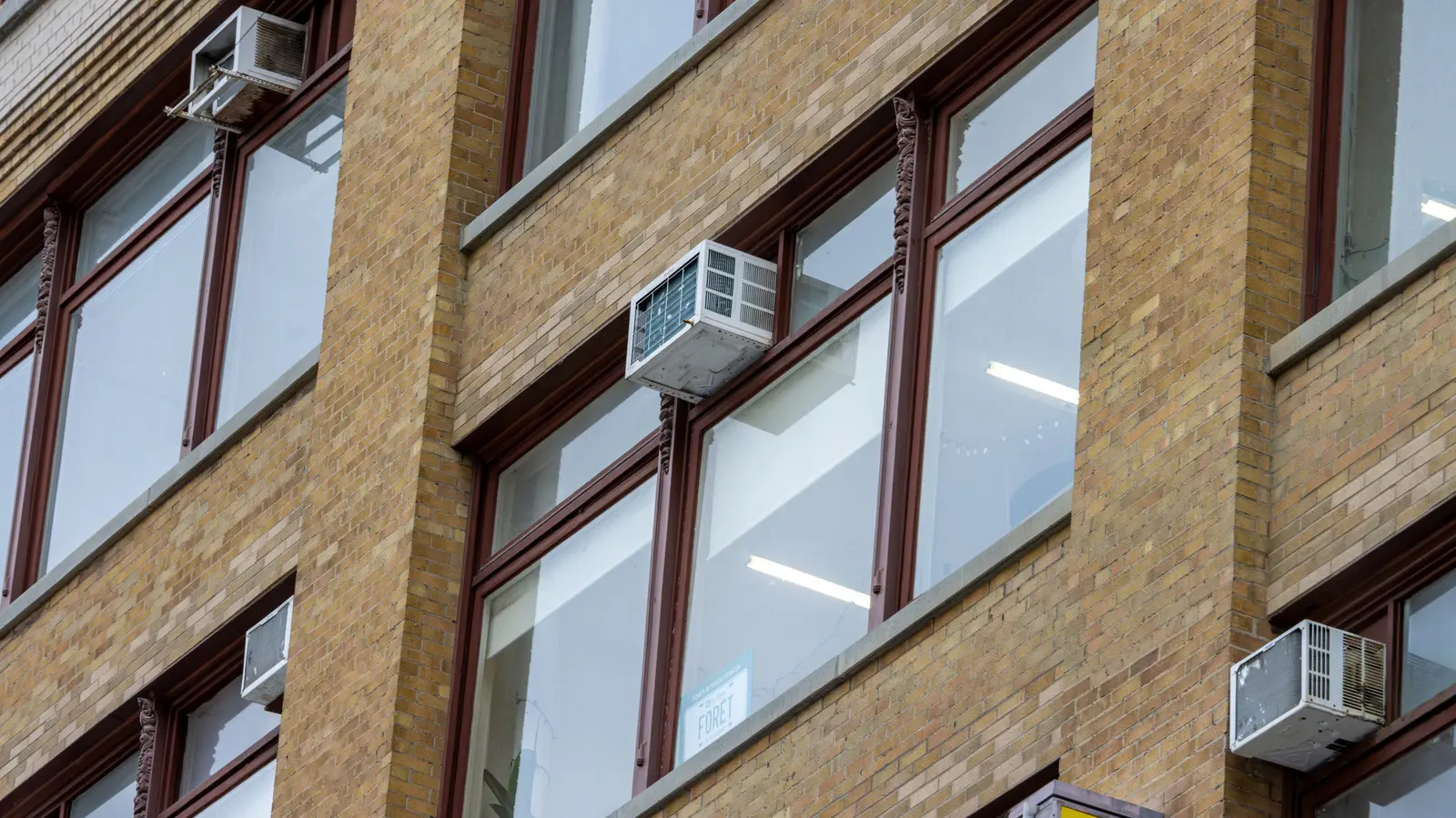
A window air conditioner can be a lifesaver during hot summer months because it offers an inexpensive way to cool a single room. These units are usually designed to fit windows that open upward and downward, which means the air conditioner sits horizontally in a standard double-hung window frame. But what happens if you have windows that slide from side to side? The idea of simply turning the unit sideways may seem logical, but this approach almost always leads to problems.
Window ACs rely on gravity to keep their internal systems working correctly. When a unit is turned on its side, the refrigerant and oil can settle in ways the manufacturer never intended. This can affect the compressor, moving parts, and cooling performance. It can also cause water to end up where it does not belong. Understanding why units fail when installed sideways can help you avoid costly mistakes and keep your home comfortable without compromising safety.
Key Facts to Know
- Window air conditioners are designed to be installed upright in vertically opening windows.
- Sideways installation can shift compressor oil and cause premature failure.
- Improper orientation can lead to condensation leaks and water damage.
- A sideways unit may be unstable and create a safety hazard.
- Casement air conditioners and portable units are better alternatives for horizontal windows.
Why Gravity Matters in a Window Air Conditioner
Every window air conditioner contains critical components that must remain in a specific orientation for the appliance to function. The compressor is the heart of the unit, and it has a sump that holds lubricating oil. The oil is drawn up and circulated through the compressor to reduce friction between moving metal parts. If the unit is laid on its side, the oil can shift away from the oil pickup tube. When the compressor starts, it may not receive the lubrication it needs, leading to increased wear on bearings, pistons, and valves.
Manufacturers test window AC units with the expectation that they will be installed upright. The internal tubing, drain pans, and fan blades are all designed with a certain orientation in mind. Turning the appliance sideways disrupts the flow of refrigerant and oil. Even if the unit runs for a while after being installed sideways, the long-term effects can be severe. Compressor failure is one of the most common consequences, and because the compressor is expensive to replace, many owners end up buying a new air conditioner entirely.
The Compressor and Lubrication Problem
The compressor in a window AC is a sealed pump that moves refrigerant through the system. It generates heat and pressure, and it depends on a continuous film of oil to avoid damaging itself. When the compressor is in the wrong orientation, the oil may pool in the discharge line or accumulate in parts of the system where it cannot do its job. This can cause the compressor to run hotter than normal, reducing its efficiency and accelerating wear.
Running a compressor without proper lubrication can also lead to metal-to-metal contact. Over time, this can create tiny particles that circulate through the refrigerant loop. These particles can clog the expansion valve, restrict flow, and eventually cause the entire system to fail. The compressor might not seize immediately, but the damage will be visible during future maintenance. Mechanics often point to insufficient lubrication as a leading cause of premature compressor burnout in improperly installed window units.
Another issue is that refrigerant can migrate to the wrong part of the system when the unit is oriented sideways. This can cause liquid slugging, where liquid refrigerant enters the compressor. Slugs of liquid can break valves and damage internal parts. This problem is especially dangerous when the air conditioner is started after sitting in a sideways position for a long time. Some experts recommend letting an upright unit sit for a few hours before starting it to allow oil to settle, but a sideways unit can face these issues every time it starts.
Condensation and Water Damage Risks
Window air conditioners remove humidity as they cool the air. They produce condensation that must be drained away from the unit. In a normally installed window AC, the chassis is tilted slightly toward the outside so water can run out through drain holes and weep slots in the back. The condensate tray catches excess water and directs it outside, where it evaporates or drips safely away from the building.
When a unit is installed sideways, the water management system no longer works as designed. The drain holes are no longer at the lowest point, so water can pool inside the base pan. This water may then find its way into the fan motor, electrical wiring, or the interior of your home. Leaks around the window frame and stains on walls or floors are common results of sideways installation. Moisture can also damage wooden window sills and promote mold growth over time.
Even if the unit does not leak immediately, the standing water can cause rust and corrosion. Metal components inside the air conditioner may begin to deteriorate, and the accumulation of moisture can create the perfect environment for mold and mildew. When the blower fan operates, it can blow mold spores into the room, creating indoor air quality problems. This is a serious concern for people with allergies, asthma, or respiratory sensitivities. A sideways installation can turn a simple cooling appliance into a source of musty odors and airborne contaminants.
Safety and Stability Concerns
A window air conditioner is heavy and bulky. It is designed to be held securely by a window sash and a support bracket, with the weight distributed across the frame in a way that makes it stable. When the unit is rotated onto its side, the center of gravity changes. The unit may no longer sit flush against the window sill or the sash lock may not engage properly. A unit that is not firmly secured can fall outward, causing damage to property or injuring people below.
Even a securely installed sideways unit may put undue stress on the window frame. The normal clamping points are designed for a unit of a certain width and shape. Turning the unit sideways can create gaps around the edges, allowing warm air to enter and cool air to escape. Insects, dust, and rain can also enter through these gaps. If you are trying to install a standard AC in a narrow window, you may be tempted to place it sideways to fit, but the result is often a precarious setup that poses a real safety hazard.
Some people attempt to stabilize a sideways unit with foam panels, wood blocks, or tape. These improvised solutions can fail, especially when the window vibrates or when the appliance is exposed to strong winds. A heavy air conditioner falling out of a window is a serious danger to anyone below. It can also damage the unit's own casing, leaving sharp edges and exposed parts that are hazardous to handle.
The Financial Side of Improper Installation
Replacing a window air conditioner is not expensive compared to central HVAC equipment, but it is still an unnecessary expense. A sideways installation can shorten the lifespan of a unit by years. If a $300 air conditioner fails after one summer because it was mounted incorrectly, you are effectively paying for a new unit much sooner than you planned. The increased wear on the compressor, fan motor, and seals means repairs will be needed sooner as well.
Poor installation can also increase your energy bills. A unit that is not positioned correctly will have air gaps around it, allowing hot outdoor air to enter and conditioned indoor air to escape. The air conditioner will have to run longer and work harder to maintain the desired temperature. It may also experience reduced airflow because the filter and coils are tilted at an odd angle. Higher energy consumption means higher utility bills, and the extra operating time places additional stress on the unit's components.
Another financial issue is property damage. If condensation leaks into your wall cavity, floor, or ceiling, you could be facing mold remediation and structural repairs. The cost of repairing water-damaged drywall, flooring, or framing can easily be several times the cost of a new air conditioner. A sideways installation may save you time in the short term or allow you to avoid buying a different type of AC, but the potential costs far outweigh the benefits.
Alternatives for Horizontal and Sliding Windows
If your window opens horizontally, you do not have to give up on air conditioning. There are products made specifically for this situation. A casement air conditioner is designed to fit into windows that slide side to side. It has a different chassis shape and mounting system compared to a standard vertical-window AC. It is installed with the unit upright but positioned to fit the horizontal opening, allowing for proper drainage and efficient operation. These units are available from several manufacturers and are sized for different window openings.
Another option is a portable air conditioner. A portable unit sits on the floor and vents through a hose that is connected to a window kit. The window kit is designed for both vertical and horizontal sliding windows, and the air conditioner itself remains upright at all times. Portable ACs are easy to move between rooms and do not require permanent mounting hardware. They are not as efficient as a well-installed window unit, but they can still provide reliable cooling for a bedroom or living room.
Before choosing a portable unit, consider the size of the room, the noise level, and the method of condensate removal. Many portable air conditioners use an internal reservoir that must be emptied regularly, although some models evaporate the water automatically. The window kit should be adjusted so the exhaust hose is properly sealed, preventing hot air from entering the room and keeping insects and dust outside.
Can You Make a Standard Window AC Fit a Slider Window?
There are DIY methods that allow a standard window air conditioner to be installed in a horizontally sliding window without turning the unit on its side. One common approach is to place the AC at the bottom of the window opening and use a piece of cut plexiglass to fill the space above it. The plexiglass must be measured precisely and secured so that it creates an airtight seal. You may also need to build a support frame to hold the air conditioner in place.
This installation requires skill with tools and an understanding of window mechanics. You need to be sure the unit has a slight downward tilt toward the outside so condensation drains properly. The sash lock or blocks must keep the unit securely in place. The electrical cord should be routed safely, and no part of the unit should block the window's egress. If you are not comfortable with such projects, it is best to hire a professional or choose an alternative cooling solution.
Even if you can make the physical installation work, remember that the unit will still be designed for upright operation. As long as you keep the chassis level and the compressor in its normal orientation, it can function correctly. The goal is to adapt the window, not the air conditioner. Many people have successfully installed standard AC units in slider windows using wood frames and plexiglass, but this is not a beginner-friendly task. Careful planning and attention to safety are essential.
Keeping Any Window AC Running Efficiently
Once a window air conditioner is installed correctly, routine maintenance is necessary to keep it working well. Clean or replace the filter every few weeks during heavy use. Check the seals around the unit to make sure no warm air is leaking in. Keep the exterior condenser fins clean and straight, and remove leaves or debris that may gather around the window. These simple steps can improve efficiency and extend the lifespan of the appliance.
If the unit is not cooling as it should, look for common problems such as a dirty filter, low refrigerant pressure, or a failing fan motor. Strange noises, weak airflow, and warm air coming from the vents are all signs that something may be wrong. Addressing small issues early can prevent major breakdowns. Window air conditioners are reliable appliances when installed properly, but they do require a little attention to keep running at their best.
In the end, there is no good reason to install a standard window AC sideways. The risks to the compressor, the condensation system, and the safety of your home are too great. Instead, choose a casement unit or a portable air conditioner designed for your window type, or attempt the proper DIY upright installation with the right materials. Taking the time to install your air conditioner the right way will keep you cool, save you money, and protect your home.
Source: SlashGear News