

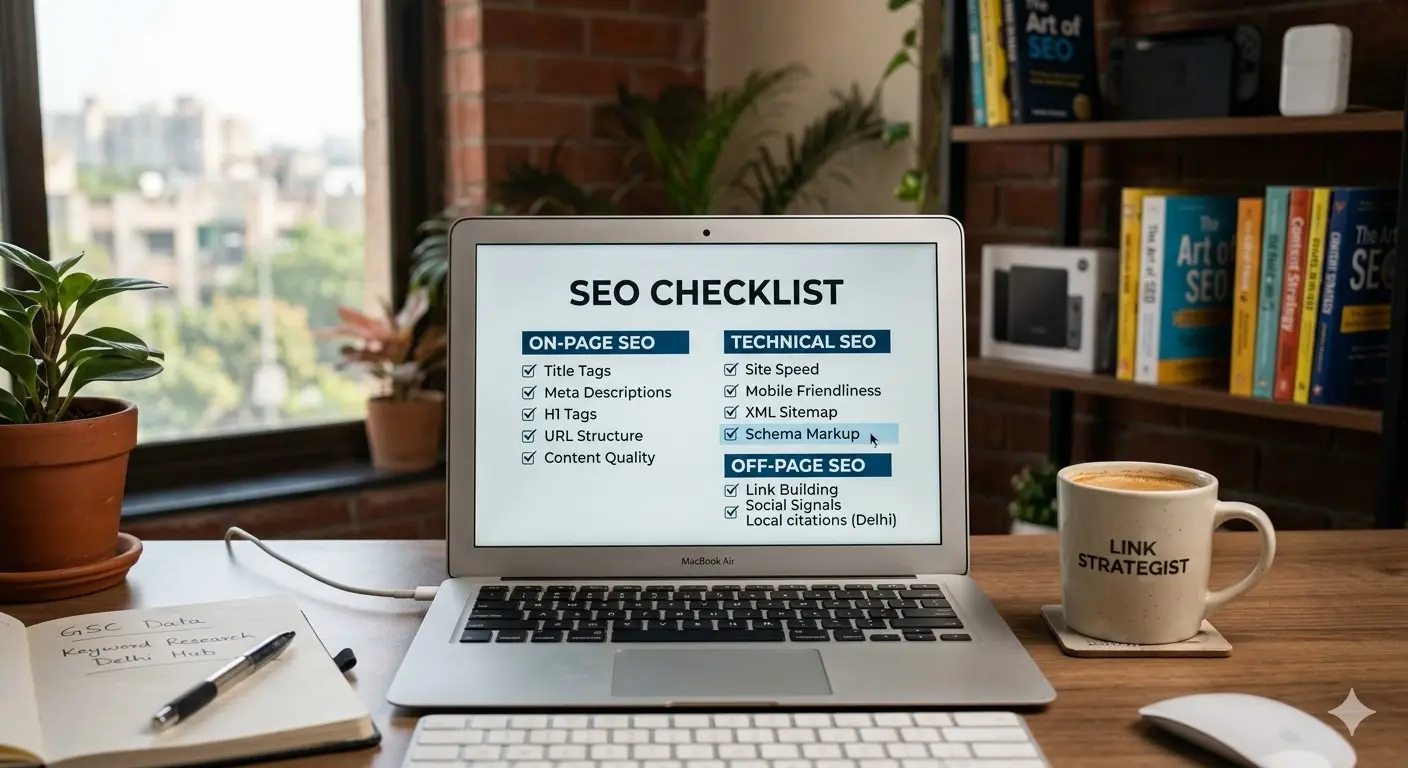
TL;DR: To optimize blog posts in 2026, focus on high DA guest posting and manual outreach guest posting to build authority. On-page, you must align search intent with structured headings, use primary keywords in the first 100 words, and ensure high authority backlinks support your claims. SEO is now about being the best answer, not just the best keyword-matcher.
I've been in the SEO trenches for over a decade, and if there's one thing I've learned, it's that a pretty blog post means nothing if the "under-the-hood" mechanics are broken. You can write the most poetic prose in your niche, but if Google’s crawlers can’t figure out your hierarchy, you’re essentially whispering into a vacuum.
In my experience, the gap between a post that sits on page five and one that hits the top three usually comes down to three things: technical precision, white hat guest posting for authority, and how well you answer the user’s actual "unspoken" question.
What Is On-Page SEO and Why Should You Care?
Definition: On-page SEO is the practice of optimizing individual web pages—including content, HTML tags, and internal links—to rank higher and earn more relevant traffic in search engines.
It isn't just about stuffing phrases into a box. It's about creating a roadmap. When you use guest posting for SEO, you're building the roads to your house; on-page SEO is making sure the house is actually worth visiting once the guest arrives.
Why On-Page SEO Matters
Here's the thing: search engines have stopped being "search" engines and have started being "answer" engines. With the rise of AI-driven overviews, your content needs to be structured so an algorithm can chop it up and serve it as a snippet.
What most people overlook is that 2026 SEO is less about "tricking" the system and more about proving you are a legitimate human expert. Using high DA guest posting to signal trust from other sites is part of the battle, but if your own page is a mess of slow-loading images and vague headers, that trust evaporates instantly.
Expert Tip: Don't just optimize for a keyword; optimize for a "journey." Ask yourself: "What is the very next thing this reader needs to do after reading this paragraph?" If your content doesn't provide that path, you've already lost them.
How to Optimize Your Blog Post — Step by Step
Let me be direct: there is a specific rhythm to a high-ranking post. You can’t just wing it.
Front-Load Your Primary Keyword: Get your main term, like [Guest Posting Services], into the H1 and the first 100 words. Don't be weird about it; make it natural.
Architect Your Headers: Use H2 and H3 tags as a table of contents. If someone only read your headers, would they still learn something? They should.
Semantic Enrichment: Sprinkle in LSI terms like premium guest posting sites or dofollow guest posts. This helps engines understand the "neighborhood" your topic lives in.
Visual Optimization: Use images, but don't let them bloat your load time. Every image needs descriptive alt-text that actually describes the image while incorporating a secondary keyword like guest post link building if it fits.
Internal Linking Strategy: Link to 2-3 of your own relevant articles. This keeps the "link juice" flowing and reduces your bounce rate.
The "Quality" Trap: What Most Guides Get Wrong
Here’s a hot take: "High-quality content" is the most useless advice in the industry. It’s subjective. I’ve seen "low quality" 500-word rants rank #1 because they answered a specific, urgent pain point better than a 5,000-word "ultimate guide."
What you actually need is utility. I recently worked with a guest post agency that was obsessed with word count. They thought 3,000 words was the magic number. We cut their articles in half, added clear step-by-step instructions, and their rankings shot up. Why? Because users wanted answers, not an encyclopedia.
Sometimes, manual outreach guest posting on a smaller, hyper-niche site is worth ten links from a massive, general "authority" site. The same logic applies to your content—be specific, not just "big."
Best Press Release Submission Platforms for SEO & Brand Visibility
If you want to amplify your reach, you shouldn't ignore press release distribution sites. While blog posts are great for steady traffic, a well-timed PR can create a massive spike in brand searches. Working with a reputable press release agency allows you to get your news onto PR submission sites that might otherwise be out of reach.
The real value here lies in the diversity of your link profile. News distribution platforms offer high-authority backlinks that signal to Google that your brand is actually "newsworthy." Online PR marketing isn't just about the immediate clicks; it's about the long-term trust signal that comes from being cited by legitimate news outlets. When you combine this with a guest post outreach strategy, you create a "moat" around your brand that competitors find hard to cross.
Expert Tip: When writing for PR, keep the tone strictly objective. Avoid "salesy" language. The goal is to get picked up by journalists who value facts over fluff.
The Checklist for Success
Let's break down the essentials you need to check before hitting "Publish":
URL Structure: Is it short? (e.g., /guest-posting-services-guide/)
Title Tag: Under 60 characters? Includes the main keyword?
Meta Description: Does it have a clear call to action?
Dofollow Guest Posts: Are you linking out to authoritative, non-competing sources?
Mobile Responsiveness: Have you checked how it looks on a phone? (Seriously, do this).
People Also Ask About On-Page SEO
How many keywords should I use in a blog post?
There’s no "perfect" number, but I’ve seen the best results by focusing on one primary keyword and 3–5 secondary terms like guest post backlinks or high authority backlinks. Overloading the text makes it unreadable for humans, which eventually hurts your ranking anyway.
Is guest posting for SEO still effective in 2026?
Yes, but only if you focus on white hat guest posting. The days of buying cheap, automated links are over. You need niche guest posts on sites with real traffic. If a site looks like it was made just to sell links, Google probably knows that too.
How long should an SEO-optimized blog post be?
It depends on the competition. In some niches, 1,200 words is plenty. In others, you might need 2,500. Instead of hitting a word count, try to satisfy the "search intent" completely. If you’ve answered every possible follow-up question, you’re at the right length.
Do internal links really help with ranking?
Absolutely. They help Google discover new pages and understand the structure of your site. Think of them as the "internal plumbing" that keeps the value of your high DA guest posting flowing to your newer, less-authoritative pages.