

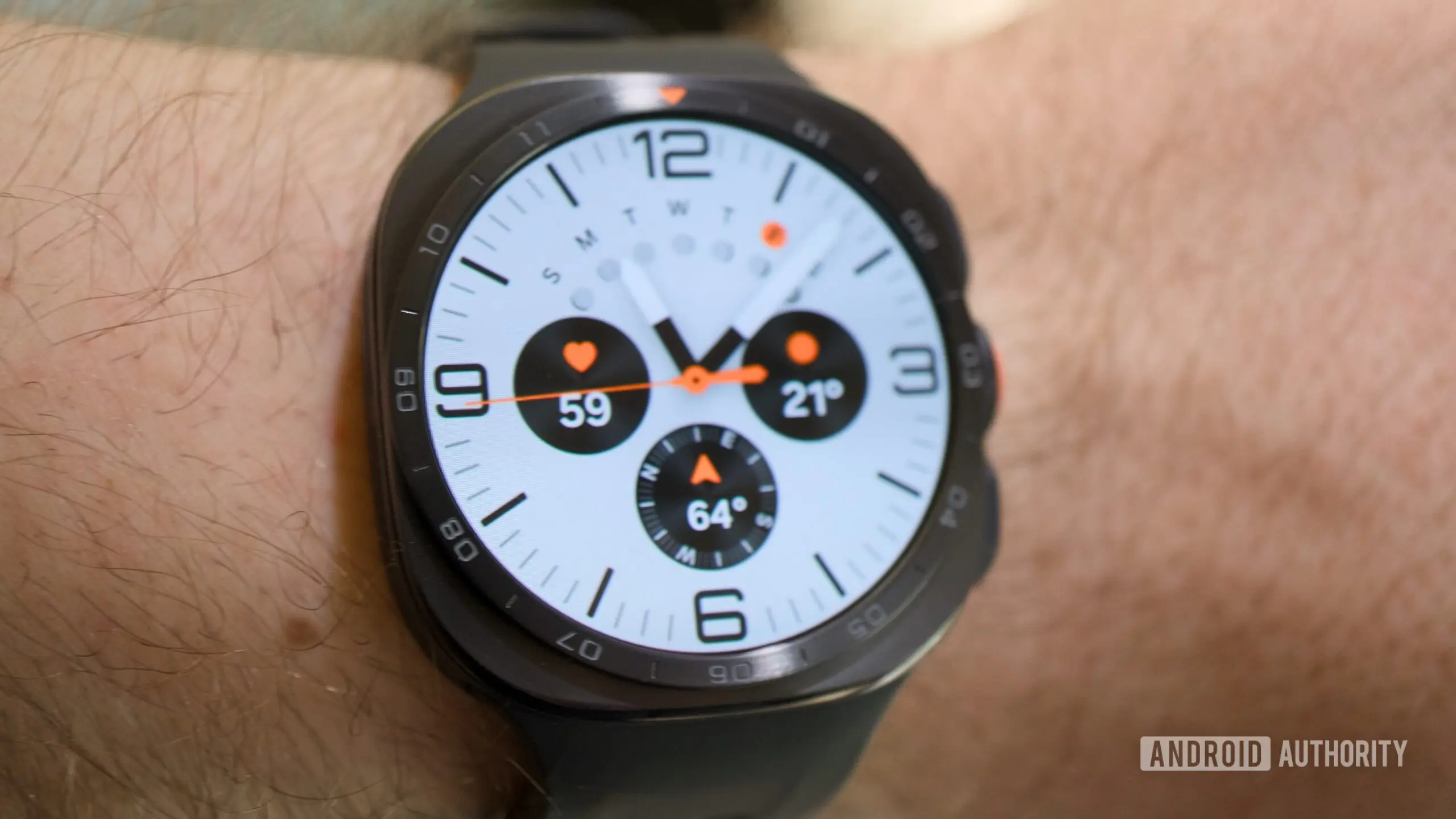
New Diving Capabilities Come with a Price Tag
Samsung's latest Unpacked event in London introduced a slew of new hardware, including the Galaxy Z Fold 8, Fold 8 Ultra, and Flip 8. Among the wearables, the Galaxy Watch 9 and the rugged Galaxy Watch Ultra 2 took center stage. The Ultra 2 is designed for extreme conditions, with an IP69K rating and 10ATM water resistance, making it suitable for recreational diving. To leverage this hardware, Samsung partnered with Mares, a well-known diving equipment company, to create an exclusive Diving app for the Wear OS platform.
The app promises advanced diving features that rival standalone dive computers. However, Samsung revealed during the Unpacked livestream that full functionality requires a Mares subscription. Details about pricing have emerged, thanks to tipster Dylan H. The subscription is divided into three tiers: a free timer mode, a paid snorkel mode, and a premium scuba mode. This approach allows users to choose based on their diving needs, but it also means that the most valuable features come at an additional cost.
Free Tier: Timer Mode
The free timer mode is the most basic option, available at no charge. It includes depth monitoring, dive time tracking, and an ascent rate alarm. These features are essential for any diver, but they lack the more sophisticated calculations and logs that serious divers require. This tier is likely enough for casual snorkelers or those who only need basic depth and time information during a short dive.
Snorkel Mode: $2.99 per Month
For $2.99 per month, the snorkel mode adds several key features. Users get a snorkel session timer, individual dive info including depth and time, GPS tracking with distance and route, a map, compass, stopwatch, temperature readings, and heart rate monitoring. This tier is designed for snorkelers who want to track their excursions more thoroughly. The GPS tracking is particularly useful for mapping routes and discovering new spots. The compass and map help with navigation, while temperature and heart rate provide additional safety data.
Scuba Mode: $7.99 per Month or $59.99 per Year
The top-tier scuba mode is priced at $7.99 per month or $59.99 per year. It includes all the features of snorkel mode plus advanced scuba diving tools. These support air, nitrox (21%-50%), and nitrox multigas up to three gases. Divers can choose from different algorithms to calculate decompression requirements. The app also provides decompression information, safety stop timing, several diving-related alarms, and comprehensive dive logs. This tier effectively turns the Galaxy Watch Ultra 2 into a full-fledged dive computer. The annual plan offers a significant discount compared to monthly payments, saving about $36 per year.
Comparison with Apple's Approach
It's worth noting that Mares already offers a similar app for iOS and Apple's Ultra smartwatch. On the Apple platform, monthly access costs $8.99, and the annual subscription is $69.99 (or $119.99 for a family plan). The Samsung version is slightly cheaper for the top tier, but the difference is marginal. This pricing structure may be adjusted before the app officially launches on the Ultra 2. The competition between the two ecosystems is heating up, and Samsung's partnership with Mares gives it a unique selling point for diving enthusiasts.
The Galaxy Watch Ultra 2 itself is built for adventure. It features a 5,000-nit display, an 800mAh battery, titanium construction, and the Snapdragon Wear Elite chip. These specs ensure that the watch can handle extreme environments while providing long battery life. The rugged design aligns with the needs of divers, who require a durable and reliable device underwater. The IP69K rating means it can withstand high-pressure water jets and immersion, while the 10ATM rating allows it to be used at depths of up to 100 meters.
Background on Samsung's Wearable Strategy
Samsung has been expanding its wearable ecosystem to cater to niche audiences. The Galaxy Watch Ultra series targets outdoor enthusiasts, athletes, and professionals who need robust features. The addition of diving capabilities through a subscription model is a strategic move to generate recurring revenue while offering specialized functionality. This mimics trends in the fitness and health industry, where companies like Peloton and Strava use subscriptions to fund ongoing development and server costs.
The partnership with Mares is not surprising. Mares has a long history in the diving industry, producing everything from masks to dive computers. Collaborating with a trusted brand adds credibility to the Galaxy Watch Ultra 2's diving features. The app itself will be updated with new algorithms and features over time, possibly justifying the subscription cost for serious divers.
Detailed Analysis of Diving Features
The scuba mode's nitrox and multigas support are crucial for technical divers who use different gas mixtures to extend bottom time or manage decompression. The choice of algorithms, such as Bühlmann or VPM-B, allows divers to tailor decompression calculations to their training and equipment. The app also includes safety stops, which are standard practice to reduce the risk of decompression sickness. Alarms for depth, time, ascent rate, and gas pressure ensure that divers stay within safe limits.
The snorkel mode's GPS tracking is a standout feature. Snorkelers can record their routes and share them with others, making it easier to find the best spots. The map and compass provide navigation assistance, which is especially useful in unfamiliar waters. Heart rate monitoring during snorkeling can help detect fatigue or stress, adding an extra layer of safety.
Even the free timer mode offers value for divers who just need a simple depth and time check. The ascent rate alarm is a critical safety feature that prevents rapid ascents, which can cause lung overexpansion injuries. This basic mode ensures that every Ultra 2 owner can use the watch for diving to some extent, without any upfront payment.
Market Context and Pricing
The subscription pricing for the Mares Diving app is relatively modest compared to standalone dive computers, which can cost hundreds or thousands of dollars. However, it adds an ongoing cost to a watch that already retails for $699.99. For recreational divers who dive a few times a year, the annual plan of $59.99 is a reasonable investment. For frequent divers, the monthly option provides flexibility. The family plan on iOS suggests that Samsung might introduce similar multi-user pricing in the future.
Samsung's decision to use a subscription may also be influenced by the need to license dive computer algorithms and maintain server infrastructure for GPS tracking and data syncing. Dive computers require rigorous testing and certification to ensure accuracy and safety. By partnering with Mares, Samsung leverages existing expertise without having to develop everything in-house.
As the app prepares for release later this year, potential users should consider their diving habits. The free timer mode is sufficient for basic use, but serious divers will likely want the scuba mode. The snorkel mode strikes a balance for those who snorkel occasionally but want advanced tracking. The pricing is competitive with the iOS version, and it's possible that promotional discounts or bundling options could appear at launch.
The Galaxy Watch Ultra 2 is now available for pre-order, with the Diving app expected to arrive in the coming months. Samsung has not yet confirmed exact release dates for the app, but the company is likely to roll it out alongside software updates for the watch. Until then, divers can look forward to a powerful new tool that combines the convenience of a smartwatch with the functionality of a dive computer.
Source: Android Authority News