

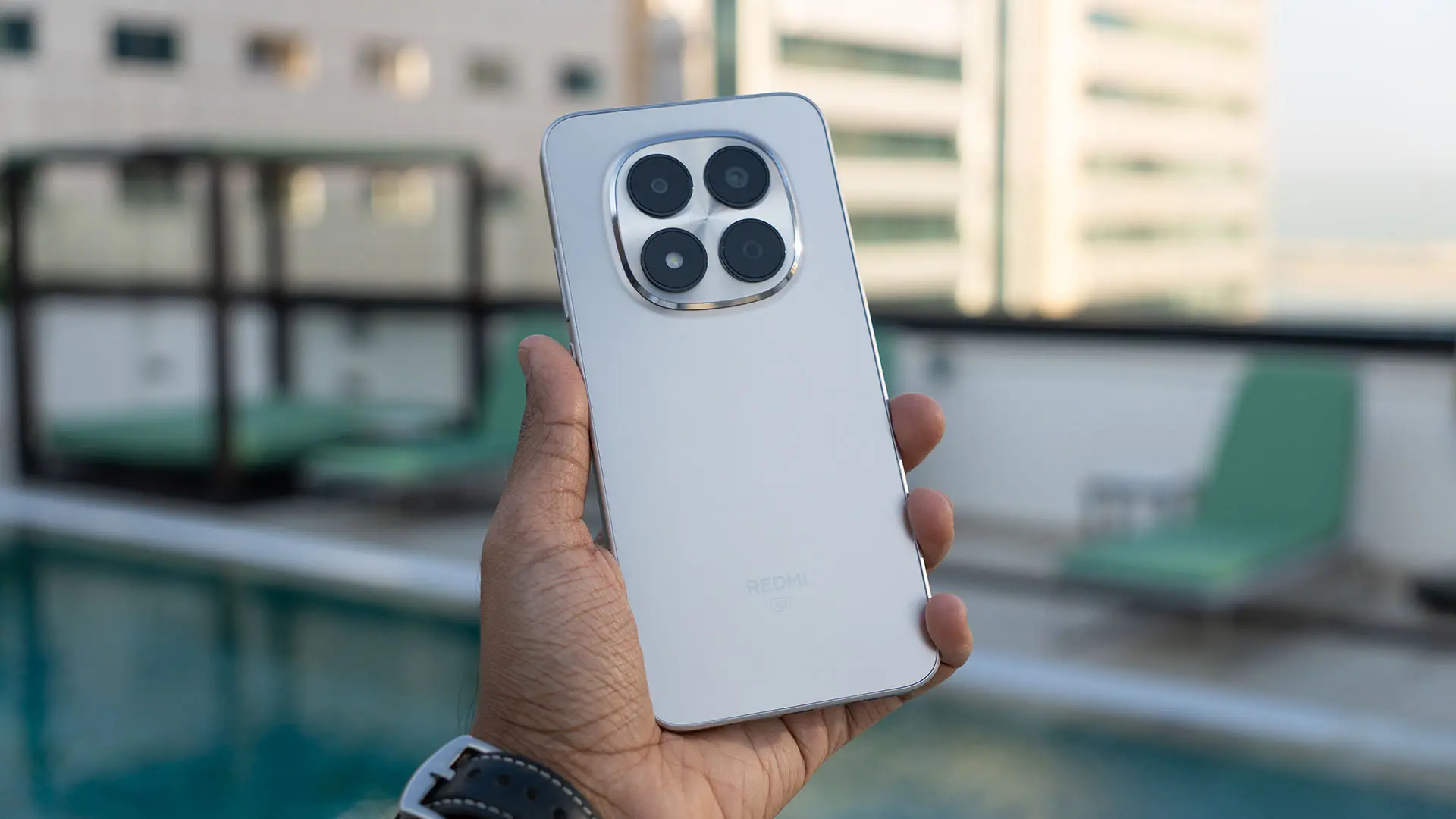
Xiaomi has raised the bar for smartphone after-sales support by announcing a free five-year battery replacement program for its upcoming Redmi Note 17 Pro. The program, revealed by Xiaomi Group President Lu Weibing on Weibo, promises to replace the phone's battery at no cost if its health drops below 80% within the first four years of ownership. Even more remarkable, if the battery health falls below 80% in the fifth year, users will receive a free upgrade to a larger capacity battery.
Detailed Terms of the Program
The program applies to devices purchased during the first sale of the Redmi Note 17 Pro in China. If the battery's health indicator—a measure of maximum capacity relative to when it was new—dips under 80% in years one through four, Xiaomi will replace the battery with a new one of the same specifications. In the fifth year, instead of a standard replacement, the company will install a higher-capacity battery, effectively granting users an improvement in battery life as their phone ages.
This approach directly addresses one of the most frustrating aspects of modern smartphones: the inevitable degradation of lithium-ion batteries. After two to three years of regular usage, most smartphone batteries show noticeable capacity loss, leading to shorter runtimes and more frequent charging. Typically, manufacturers only cover battery defects under a one-year warranty, leaving consumers to pay for replacements out of pocket.
Why Battery Health Matters
Lithium-ion batteries have a limited number of charge cycles—usually around 500 to 800 full cycles before significant capacity loss occurs. After that, the battery may still work but holds less charge. A battery health below 80% is often considered degraded enough to affect daily usability. Many users notice that their phone shuts down unexpectedly or fails to last through the day. Xiaomi's program gives users peace of mind that their device will maintain peak performance for years longer than typical warranties allow.
Comparison to Industry Standards
Major smartphone makers like Samsung and Google offer free battery replacements only during the standard one-year warranty period. After that, consumers must pay a service fee—typically $50 to $100 depending on the model. Apple's battery replacement service costs $89 for most iPhones out of warranty. In contrast, Xiaomi's five-year coverage eliminates this cost entirely for qualifying devices.
Google's Pixel phones include a limited one-year battery warranty, but if the battery health degrades normally through use, it is not considered a defect. Samsung follows a similar policy. This means that when a battery inevitably ages, the owner bears the expense. Xiaomi's program recognizes that gradual battery degradation is a normal part of device aging and should be covered, not a random defect.
Other brands have occasionally offered extended battery services, but usually as paid options. For example, OnePlus used to offer battery replacements at discounted rates for older devices, but never completely free for five years. Some manufacturers provide battery replacement programs for specific models, but these often require purchase of additional warranty plans or are limited to certain regions.
Environmental and Economic Benefits
By making battery replacements free for five years, Xiaomi encourages users to keep their phones longer. The electronics industry generates millions of tons of e-waste every year, with mobile phones a significant contributor. A usable phone with a dead battery often ends up discarded, even though the rest of the device works perfectly. Offering free battery swaps reduces the incentive to upgrade prematurely, cutting down on waste.
Additionally, the program could save consumers hundreds of dollars. Over five years, a typical smartphone user might spend $200 to $300 on battery replacements or early upgrades. Xiaomi absorbs that cost, building customer loyalty and setting a precedent that competitors may feel pressured to follow.
Past Battery Programs from Xiaomi
This is not Xiaomi's first battery initiative. Previously, the company offered paid battery upgrade programs for devices like the Xiaomi 13 series, where owners could pay a fee to replace or enhance the battery. Those programs were well-received but limited to specific models and time windows. The new Redmi Note 17 Pro program is far more generous, being completely free and spanning five years for first-sale purchasers.
Xiaomi has also experimented with larger battery capacities in its Redmi Note series. The Redmi Note 17 Pro itself is expected to feature a massive 9,000mAh battery, supporting 67W wired charging and 22.5W reverse wired charging. That capacity is significantly larger than the typical 5,000mAh found in many 2026 flagships, making the device a powerhouse for heavy users.
Technical Specifications and Launch Details
The Redmi Note 17 Pro is scheduled for launch in China on July 14, 2026. Rumors suggest it will be powered by the Snapdragon 6 Gen 5 chipset, paired with a 200-megapixel main camera. The combination of a large battery and a mid-range processor optimizes battery life, stretching usage even further. The phone is likely to run HyperOS based on Android 16.
Global availability remains uncertain. Xiaomi's announcement did not specify if the free battery program will apply to international versions of the Redmi Note 17 Pro. Historically, many China-exclusive features do not make it to global markets, especially generous warranty programs. However, given the positive reception of the announcement, Xiaomi may expand the initiative to other regions if it proves successful.
Potential Regional Limitations
It is common for Chinese smartphone brands to offer different services domestically versus overseas. For instance, some OnePlus and Oppo phones include free screen replacements in China but not abroad. Xiaomi's battery program might be limited to China due to regulatory, logistical, or cost reasons. Global buyers should wait for official confirmation from Xiaomi's international division before expecting the same benefits.
Even if the program remains China-only, it could still pressure global competitors to match or improve their own support offerings. Samsung and Google may consider extending battery warranties to retain customers, especially in markets where Xiaomi has a strong presence.
How Battery Replacement Works
Users whose battery health drops below 80% within the program period will likely need to visit an authorized Xiaomi service center. The company is expected to run a diagnostic test to confirm the health level, then perform the replacement free of charge. In the fifth year, the upgrade to a larger battery may require a different procedure, but details are not yet public.
The program likely covers only normal usage—batteries damaged by physical impact, water, or unauthorized modifications will probably be excluded. Standard warranty disclaimers will apply. Still, for the vast majority of users who experience normal capacity fade, this is a substantial benefit.
Implications for the Smartphone Industry
Xiaomi's move could trigger a wave of similar programs from other manufacturers. As smartphones become more expensive and users hold onto them for longer, battery degradation becomes a key pain point. A free replacement program can be a powerful differentiator in a crowded market. Apple already offers the iPhone Battery Service program (paid), and Samsung has launched limited battery swap events, but nothing as comprehensive as this.
The Redmi Note 17 Pro's program also aligns with global right-to-repair movements, which advocate for easier and affordable access to replacement parts. While Xiaomi's program does not give users the parts directly, it removes the cost barrier associated with professional repairs. This could reduce e-waste and increase customer satisfaction.
Environmental regulators in the European Union and other regions are pushing for longer-lasting devices, including requirements for replaceable batteries. Xiaomi's voluntary program may help it stay ahead of future regulations and appeal to eco-conscious consumers.
Final Thoughts on the Program
Xiaomi's free five-year battery replacement for the Redmi Note 17 Pro is a bold and customer-friendly initiative. It addresses a common frustration, promotes sustainability, and challenges competitors to improve their support. The program is limited to first-sale devices and likely only in China for now, but it signals a shift toward longer-term care for smartphones.
As battery technology evolves, programs like this may become the norm. For now, Xiaomi stands out as a leader in post-purchase service. The Redmi Note 17 Pro, with its large 9,000mAh battery and the assurance of free replacements, represents a compelling package for anyone tired of throwing away perfectly good phones due to battery aging.
Source: Android Authority News