
AI Image Generation Comes to Google Search AI Overviews
Google has announced a significant update to its Search and Images features, enabling users to generate AI images directly within AI Overviews. This capability is designed to address scenarios where traditional image searches fail to yield the desired result. Users can now transform their search terms into text prompts, which are processed by Google's latest Nano Banana model to produce images that match the query.
The new image generation feature is not a separate tool but is integrated into the existing AI Overviews window. This means users do not need to leave their search results to create an image. According to Google's blog post, the feature will first roll out in English over the coming weeks, following the earlier introduction of image creation in AI mode for certain regions.
How the Image Generation Works
When a user conducts an image search and the results do not contain the perfect image, Google's AI will offer to generate one. The search query itself acts as the initial prompt, but users can refine it to better fit their vision. For example, if someone searches for 'sunset over a futuristic city,' but the existing images are not quite right, the AI can produce a custom image based on that description. The Nano Banana model, which powers this functionality, is optimized for generating images quickly while maintaining high quality.
This feature is the latest in a series of AI integrations by Google, which previously launched AI Overviews for text-based searches. The company has been gradually expanding the role of generative AI in its core search product, aiming to provide more comprehensive and personalized results. Privacy and safety measures are in place, including restrictions on generating harmful or misleading content.
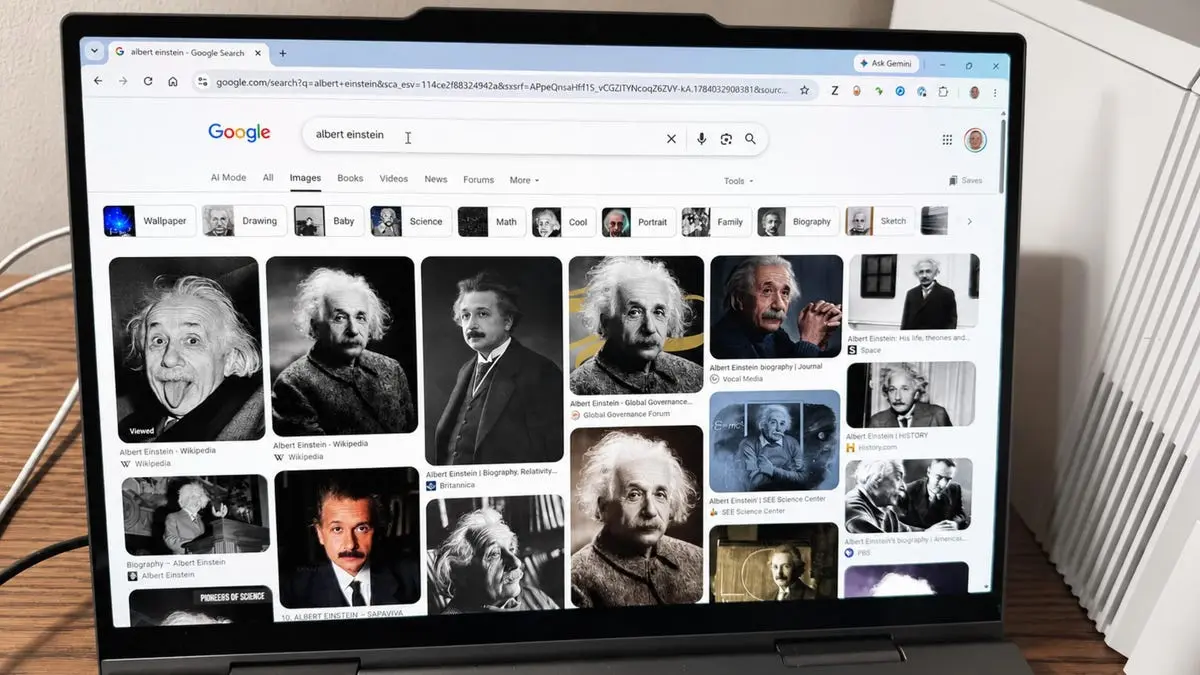
Google Images Gets a Makeover
Alongside the AI image generation, Google Images is receiving a visual and functional update. The gallery of images will now update in real time, tailoring displayed images to the user's interests as they browse. This dynamic behavior is intended to reduce the need for multiple searches and keep the user engaged with fresh, relevant content.
Another key improvement is the handling of saved images. Users have always been able to save images to collections, but now these collections appear as tabs above the main gallery. This allows for seamless switching between saved images and ongoing searches. The makeover will first launch on desktop in the US in English, requiring a Google account for full functionality.
The real-time updates leverage Google's understanding of user behavior and search context. As a user scrolls through results, the system prioritizes images that are similar to those they have interacted with or saved. This creates a more fluid and responsive search experience.
Historical Context of AI in Google Search
Google's introduction of AI image generation is part of a broader trend of integrating large language models (LLMs) and generative AI into search engines. Competitors like Microsoft's Bing have already incorporated AI image generation via DALL-E, and Google's response with its own models was anticipated. The Nano Banana model appears to be a specialized variant of Google's Imagen family, optimized for speed and low computational cost.
The company has been developing AI image synthesis since at least 2022, when it introduced Imagen. However, integrating it directly into the search result page marks a shift from standalone tools to embedded AI capabilities. This move reflects a strategic decision to make AI generation a core part of the search experience rather than a separate feature.
Privacy advocates have raised questions about how generated images might be used or misused, especially in light of deepfake concerns. Google has stated that its systems include content filtering and watermarking to indicate AI-generated images. Additionally, the feature is limited to non-commercial use in the initial rollout.
Impact on Users and Creators
For everyday users, the ability to generate images on demand can save time and reduce frustration when searching for specific visuals. It may also inspire creativity, allowing people to visualize concepts that don't yet exist. For example, a teacher preparing a lesson on ancient civilizations could generate an illustration of a hypothetical city layout based on research.
For professional creators and designers, the implications are more complex. Some may view this as a threat to stock photography and illustration markets, while others may see it as a tool for rapid prototyping. Google has not disclosed any revenue-sharing or attribution mechanisms for generated images, which could lead to legal and ethical debates about copyright and ownership.
The rollout is expected to be gradual, with early access limited to users in English-speaking countries. Over time, Google may expand to more languages and regions, as well as introduce premium features for business users. The image generation is free for now, but the company may consider integrating it into its subscription services in the future.
Technical Details of the Nano Banana Model
Although Google has not released extensive technical documentation, the Nano Banana model is presumed to be a distilled version of a larger generative model, optimized for inference on consumer hardware. It likely uses a diffusion process similar to Stable Diffusion or DALL-E, but with custom training data focused on search-related imagery.
One notable aspect is that the model operates entirely within Google's cloud infrastructure, meaning no local processing power is required. Users simply input a text prompt, and the server returns a generated image in seconds. This approach ensures consistent quality but raises questions about internet dependency and latency.
Google has also emphasized safety measures: the model is trained on filtered data to avoid generating explicit, violent, or copyrighted content. In addition, a review system is being implemented to allow users to report problematic images. The company says it will refine the model based on feedback.
Comparison with Previous Image Search Features
Earlier this year, Google introduced a similar feature in its AI mode for mobile devices, allowing users to generate images alongside traditional results. The new update extends this capability to AI Overviews on desktop and mobile web. The difference is that AI Overviews now actively offers to generate images when no suitable results are found, whereas before users had to manually switch to AI mode.
This change aligns with Google's vision of proactive AI assistance. Instead of passively retrieving links and images, the search engine now creates content to fulfill user intent. This represents a philosophical shift from information retrieval to content generation, which could redefine the role of search engines in the coming years.
The Google Images makeover also improves upon the existing collection management system. Previously, saved images were accessible only through a separate menu. By bringing collections to the main interface as tabs, Google reduces friction and encourages more curation activities.
What This Means for the Future of Search
The integration of image generation into search is likely just the beginning. Google is rumored to be working on similar features for video generation and interactive 3D models. The company's investment in AI infrastructure, including custom TPUs and data centers, positions it to scale these capabilities rapidly.
However, challenges remain. Ensuring content quality, preventing misinformation, and managing computational costs will require ongoing investment. Google must also navigate regulatory scrutiny in Europe and other regions that have strict rules about AI-generated content and data privacy.
For now, users can experiment with the new feature and provide feedback. The rollout will be monitored internally, and Google has hinted at further enhancements based on user behavior. As the line between searching and creating continues to blur, the role of the search engine may evolve into a universal creative assistant.
The coming weeks will show how effectively Google balances innovation with responsibility. The company's track record with AI, from Google Translate to BERT, suggests a careful approach, but the pace of generative AI development demands rapid iteration. The new image generation feature is a bold step, and its success will influence the direction of search technology for years to come.
Source: ZDNET News