

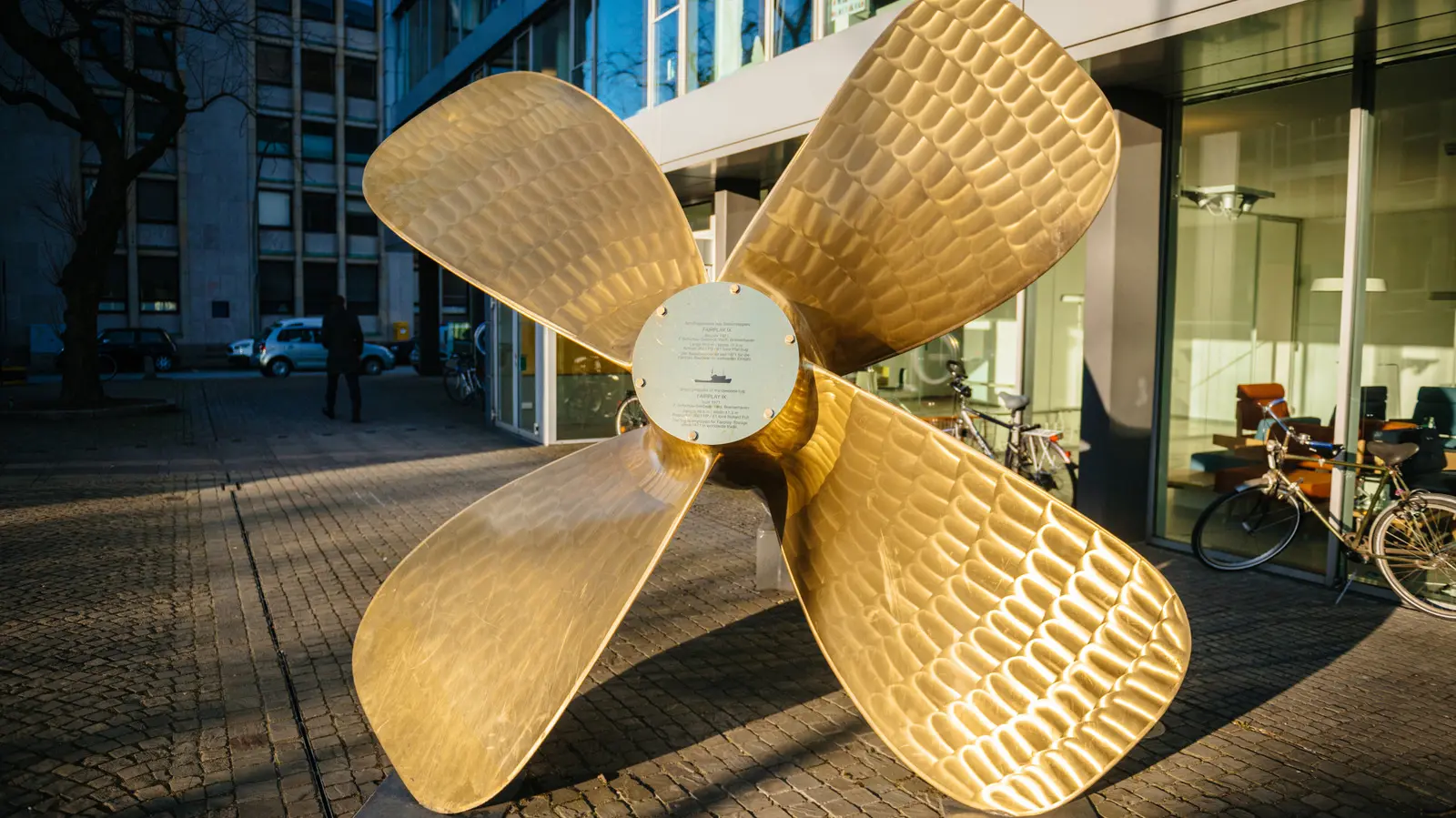
Catalytic converters, stereo systems, and airbags are just some of the vehicle parts that thieves often target. Even junk cars have valuable parts to thieves. But one recent heist showed where the real money is: tugboats. Four tugboat propellers, each weighing 2 tons and nearly 10 feet across, were stolen from an industrial yard in Australia. These massive propellers help the tugboat maneuver while towing and pushing massive ships. Sneaking off with them seems like a tricky operation, but it was apparently well worth it to the thieves—the four propellers had a value of around $1.3 million.
What made tugboat propellers the target of a heist is that they contain a lot of copper. The metal has become very desirable due to its use in electric vehicles and artificial intelligence data centers, which are expanding despite pushback. Local authorities believe the thieves planned to scrap the propellers to sell the copper on the black market—based on the going price for copper, the propellers would have been worth $51,000 when sold as scrap.
The Anatomy of a Tugboat Propeller
Tugboats are powerful workhorses of the maritime industry, designed to push and tow large vessels in ports, canals, and open water. Their propellers are specialized pieces of engineering: typically made of bronze or nickel-aluminum-bronze alloys that contain significant amounts of copper. A tugboat propeller must withstand immense forces, high torque, and corrosive saltwater. Each propeller is custom-designed for the vessel's power and operating conditions. The theft of four such propellers indicates the thieves had knowledge of industrial equipment and access to heavy machinery to transport them—likely a crane and flatbed truck.
The propellers were stored at a secure yard, but the thieves managed to bypass security. Investigators suspect an inside job or at least detailed reconnaissance. The sheer size and weight mean the thieves had to plan each step: cutting the propellers from their mounts, loading them, and transporting them to a scrap yard or smelter. In Australia, scrap copper prices fluctuate; as of 2026, copper trades around $4 per pound, making 4 tons of copper worth roughly $32,000 to $51,000 depending on purity. But the propellers as industrial spare parts could fetch much more on the black market, especially if sold to a legitimate buyer who ignores provenance.
Why Copper Is So Valuable
Copper has become one of the most sought-after metals in the global economy. Its electrical conductivity makes it essential for power grids, electric vehicle motors, charging infrastructure, and data centers running AI algorithms. The International Energy Agency estimates that global copper demand will rise by 40% by 2030. The push for renewable energy has increased the need for copper in wind turbines and solar panels. This demand has driven up prices, making copper theft a lucrative enterprise. Thieves now target not just tugboat propellers but also copper wiring in construction sites, telecom cables, and even railway signals.
The Australian heist is not an isolated incident. In the United States, copper thefts from power substations have caused blackouts costing millions. In Europe, thieves have stripped copper from historic buildings and statues. The tugboat propeller theft highlights the lengths to which criminals will go for a valuable metal.
People Keep Stealing Massive Structures for Scrap
Huge tugboat propellers are nowhere near the craziest targets of large-scale heists. In 2019, a thief stole a 75-foot railway bridge in Russia for its metal. The bridge was not in use at the time, but the theft cost $9,000 in damage to the owners of the structure. The culprit dismantled the bridge’s support beams and used a truck to haul away the sections. Meanwhile, in 2022, a 60-foot iron bridge was stolen from a village in India. A group of men spent three days cutting the iron under the guise that they were government workers removing the bridge. But it was then transported to a local scrap dealer's warehouse.
In the U.K., thieves dismantled and stole a building in 2020. In a single day, two men made multiple visits to the building, which was located in a sports center. Staff attempted to stop them, but the heavy 12-by-33-foot building was still stolen. A St. Louis home was stolen in 2010, wanted for its high-quality bricks. This became a common crime at the time, with 500 bricks selling for $100 at brickyards. The bricks were often used for landscaping or sold as antique materials. Entire neighborhoods saw brick thefts as homeowners struggled to protect their property.
An entire beach was stolen in Jamaica after thieves took 500 truckloads of white sand from the Coral Spring resort beach. The hundreds of tons were believed to be sold to rival resorts—and it was even believed police were involved in the heist. The sand was used for construction or to replenish other beaches. Environmental damage from such thefts can be severe, affecting local ecosystems and tourism. As the saying goes, if there's a will, there's a way. Or, in these cases, if there's a valuable material, there's a way.
The Economics of Metal Theft
Metal theft is driven by global commodity prices. When copper, steel, or aluminum prices spike, thefts increase. The COVID-19 pandemic disrupted supply chains and drove up metal prices, leading to a surge in theft reports worldwide. Criminals view scrap yards as a convenient fence because many operate with minimal oversight. However, stricter regulations in many countries now require scrap dealers to record seller identification and document sources. Despite these measures, the black market remains active, with some dealers willing to turn a blind eye.
In the case of the tugboat propellers, the thieves may have targeted a yard that handles large scrap. The weight and size would make them difficult to melt down quickly, so perhaps the propellers were cut into smaller pieces. The investigation continues, but no arrests have been made. The heist serves as a reminder that even in an age of digital security, physical assets remain vulnerable.
Large-scale thefts like these also have insurance implications. Industrial yards must assess their risk profile and invest in better surveillance, including motion-activated cameras, perimeter alarms, and guarded gates. Some facilities have started using GPS trackers on valuable equipment. But thieves adapt, often using signal jammers or disguising themselves as legitimate workers.
The tugboat propeller heist is a dramatic example of how rising commodity prices incentivize crime. As the global economy transitions to cleaner energy and more data-driven infrastructure, demand for copper will only grow. Policymakers and industry leaders must work together to secure supply chains and reduce the incentives for theft. Otherwise, more propellers—and entire bridges and beaches—may disappear."
Source: SlashGear News