

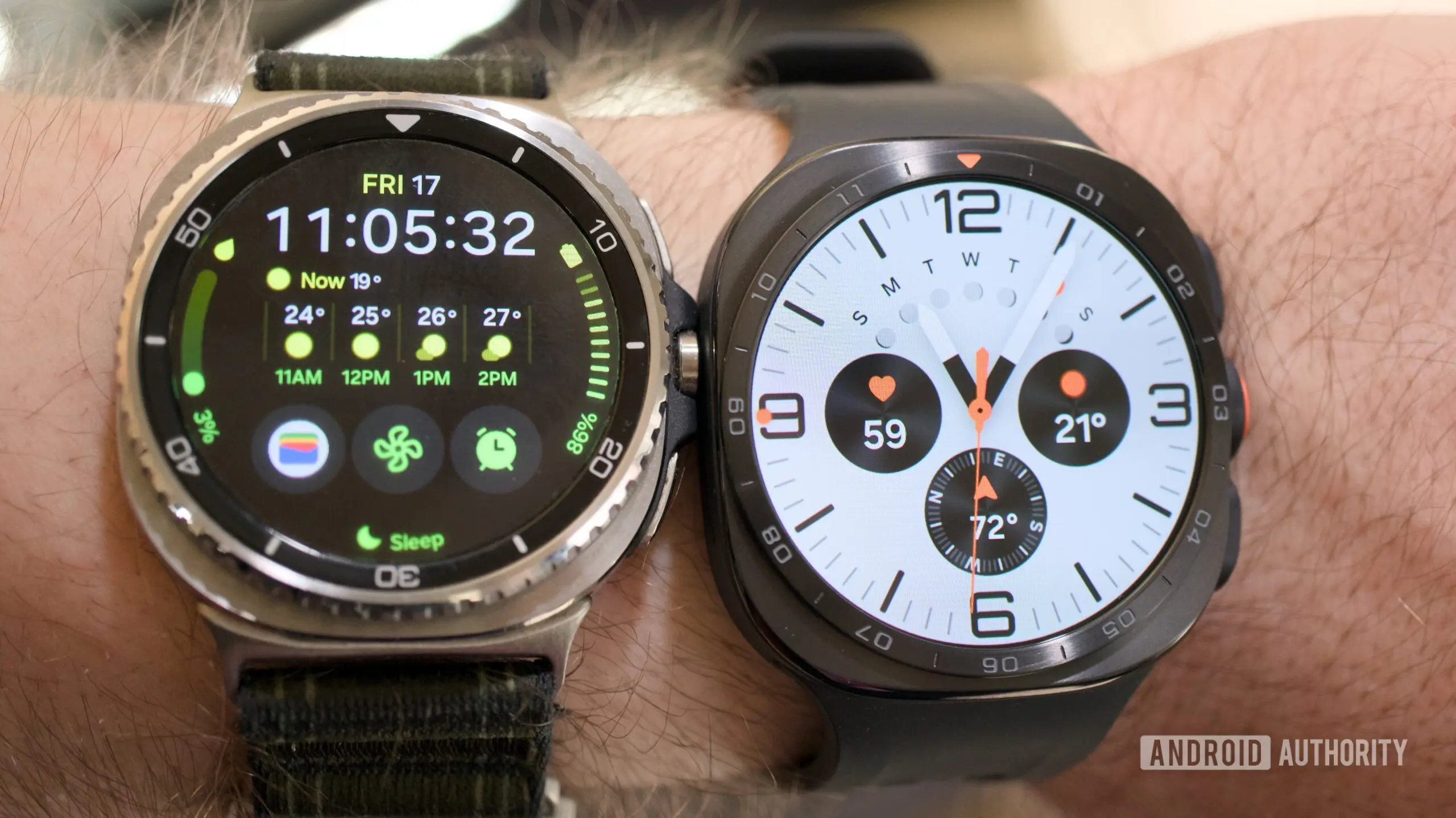
Samsung has quietly raised the bar for smartwatch longevity, announcing an expanded five-year firmware support window for the new Galaxy Watch 9 and Galaxy Watch Ultra 2. This move marks a significant shift in the wearable industry, where software support has traditionally lagged behind that of smartphones. The new commitment ensures that these devices will remain viable for a much longer period, appealing to consumers who value long-term usability and security.
Five Major OS Upgrades and Five Years of Security Patches
According to a report from a reputable Samsung-focused outlet, the Galaxy Watch 9 and Galaxy Watch Ultra 2 will receive five major OS upgrades and five years of security patches. This is a clear upgrade over the previous generation, which offered four OS upgrades and five years of security patches. The new watches launch with One UI 9 Watch based on Wear OS 7, and users can expect software support until 2031. This extended timeline aligns the smartwatch with the typical lifespan of a flagship smartphone, providing a more cohesive user experience.
Industry Benchmark
This new support commitment puts Samsung ahead of its main competitors. Google's Pixel Watch, for example, offers only a three-year OS upgrade commitment. Apple, while known for providing updates for several years, does not make a formal commitment beforehand, and recent watchOS 27 betas have unexpectedly left several older Apple Watches behind. Samsung's five-year promise is therefore the most generous in the smartwatch space. It matches or exceeds the typical five years of watchOS upgrades that Apple rolls out, but with the added assurance of a stated policy.
Historical Context
Samsung's journey in the smartwatch market began with the original Galaxy Gear in 2013, which ran on a proprietary operating system. Over the years, the company transitioned to Tizen and then to Wear OS in 2021 with the Galaxy Watch 4. The Galaxy Watch 4 marked a turning point, as Samsung partnered with Google to bring the best of both platforms. Since then, each generation has seen improvements in hardware, software, and support longevity. The Galaxy Watch 4 series started with three OS upgrades, which was increased to four with the Galaxy Watch 7 series. Now, the Galaxy Watch 9 and Galaxy Watch Ultra 2 take it to five.
What This Means for Users
For consumers, this extended support means that their investment in a Galaxy Watch 9 or Galaxy Watch Ultra 2 will last longer. They can expect to receive new features, performance improvements, and critical security patches for years to come. This is especially important for users who rely on their smartwatch for health monitoring, contactless payments, and communication. A device that receives regular updates is less likely to become obsolete quickly, reducing electronic waste and offering better value for money.
The Role of Hardware
The new watches are powered by the Snapdragon Wear Elite processor, a custom chip designed for wearables. This chip is a significant upgrade over the Exynos SoCs used in previous models like the Galaxy Watch 8 and Galaxy Watch Ultra. The Snapdragon Wear Elite offers better performance, efficiency, and, importantly, longer support from Qualcomm. This hardware change is likely the reason why Samsung can promise five OS upgrades—the new chip is designed to handle future software demands. Older models with Exynos chips may not be able to support the same update cadence due to hardware limitations or driver support issues.
Comparison with Previous Models
As of now, Samsung has not confirmed whether older Galaxy Watch models, such as the Galaxy Watch 8, Galaxy Watch 8 Classic, or Galaxy Watch Ultra, will also receive this extended support. Given the hardware differences, it is unlikely. The Exynos chips in those models may not be compatible with future versions of Wear OS or Samsung's One UI Watch skin. Users of those devices should continue to receive the promised four OS upgrades and five years of security patches, but they should not expect the new five-year plan.
Detailed Breakdown of the Software Update Policy
Samsung's new update policy covers two main areas: major OS upgrades and security patches. Major OS upgrades include new versions of Wear OS and Samsung's One UI Watch interface. These upgrades bring new features, redesigned interfaces, and underlying improvements. Security patches are monthly or quarterly updates that fix vulnerabilities and protect user data. The five-year commitment applies to both, ensuring that the watch remains secure and up-to-date throughout its lifecycle.
Implications for the Wearable Industry
This announcement puts pressure on other smartwatch makers to improve their software support. Google, with its Pixel Watch, and other Android-compatible watch makers like Fossil and Mobvoi, may need to extend their update commitments to remain competitive. Apple, while not making formal promises, typically provides updates for around five years. However, Samsung's explicit policy gives consumers a clear guarantee that their watch will be supported for a specific period. This transparency is likely to be a selling point for many buyers.
Health and Fitness Focus
The Galaxy Watch 9 and Galaxy Watch Ultra 2 are also expected to receive new health and fitness features through these updates. Samsung has been integrating more AI-powered health insights into its wearables, and future updates could bring even more advanced monitoring capabilities. For example, the watches already support sleep tracking, body composition analysis, and stress management. With five years of updates, users can look forward to continuous improvements in these areas without needing to buy a new device.
Conclusion of the Update Commitment
Samsung's decision to extend software support to five major OS upgrades and five years of security patches for its latest smartwatches sets a new standard in the wearable industry. It addresses one of the biggest concerns consumers have about smartwatches: their limited lifespan. While previous models like the Galaxy Watch 8, Galaxy Watch 8 Classic, and Galaxy Watch Ultra will not benefit from this policy, the Galaxy Watch 9 and Galaxy Watch Ultra 2 represent a new era of longevity. With the Snapdragon Wear Elite processor powering these devices, Samsung has ensured that the hardware is ready for years of software evolution. This move is likely to influence future product development and consumer expectations in the smartwatch market.
Source: Android Authority News