
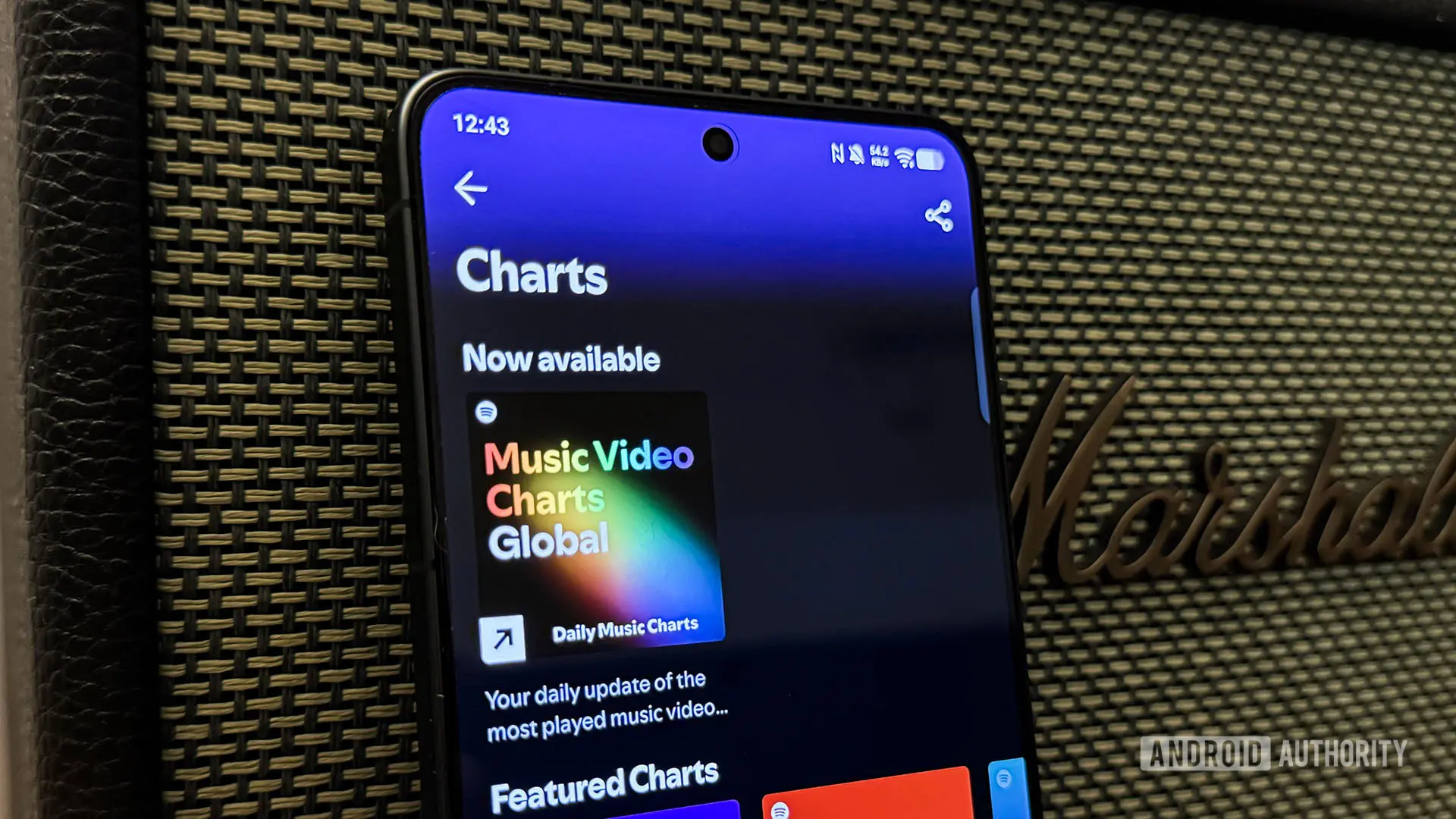
Spotify is intensifying its push into music video territory with the launch of a new 'Music Video Charts Global' playlist, a move that echoes MTV's heyday while aiming to lure loyal YouTube users. The playlist, which compiles the top 50 most-streamed music videos on the platform, refreshes every day at 6:00 PM ET, giving fans a constantly updated snapshot of what's trending.
A new era for music videos on Spotify
Spotify first introduced music videos to its premium subscribers in early 2024, slowly rolling out the feature across markets before bringing it to the United States in late 2025. The decision to add video content was driven by a strategic need to keep users within the Spotify ecosystem rather than losing them to YouTube for visual music experiences. Music videos have long been a cornerstone of music consumption, with platforms like YouTube dominating the space. Spotify, however, aims to create a seamless audio-video experience that encourages deeper engagement with artists and their catalogs.
How the new charts work
The 'Music Video Charts Global' playlist is not just a static list; it is designed to be a living, breathing reflection of what users are watching. Every day at 6:00 PM ET, Spotify recalculates the ranking based on the most recent streaming data. This real-time updating approach ensures that new releases and viral hits can climb the charts quickly, offering artists a fresh opportunity for visibility. Spotify also plans to highlight the top 10 music videos on its social media channels, further amplifying reach. The playlist is accessible to all users—both free tier and premium—though only premium subscribers can watch full music videos in-app; free users may see previews or be prompted to upgrade.
Empowering artists to upload directly
A key component of Spotify's video strategy is simplifying the upload process for artists. Historically, artists had to go through their record label or distributor to get music videos onto the platform. Now, with 'Spotify for Artists', they can upload music videos directly. This democratization of content distribution mirrors the ease of uploading on YouTube and could attract independent artists who want more control over their content. Additionally, artists can pitch their videos to Spotify's editorial team for playlist inclusion, providing a detailed story behind the video—including concept, mood, visual style—to help curators understand its context and target the right audience.
Music videos drive streaming boosts
Spotify has shared compelling data that underscores the value of video integration. According to the company, after a user watches a music video on Spotify, they tend to stream the same song 64% more over the following three weeks. Even more striking, they stream the artist's overall catalog 57% more. These numbers suggest that music videos act as powerful discovery and retention tools, encouraging listeners to explore an artist's discography beyond the current hit. This dynamic benefits both artists and the platform, as increased streaming translates to higher royalties and user engagement.
Competing with YouTube for video supremacy
YouTube has long been the default destination for music videos, hosting billions of views daily. However, Spotify's focus on high-quality audio integration, personalized playlists, and a seamless user experience could chip away at YouTube's dominance. By offering early music video releases exclusively on Spotify, the platform has already attempted to sway die-hard YouTube fans. The new Music Video Charts adds a competitive edge, positioning Spotify as a one-stop shop for both audio and video music consumption. For users who value both high-fidelity sound and visual storytelling, the combination is compelling.
Historical context: From MTV to streaming
The rise of MTV in the 1980s revolutionized how music was consumed, making music videos a critical part of an artist's success. In the streaming era, platforms like YouTube and Vevo took over, but they often operated separately from audio streaming services. Spotify's move to integrate music videos into its existing ecosystem echoes the all-in-one experience MTV provided—but with modern personalization and on-demand access. The launch of a dedicated music video chart is a nod to MTV's iconic countdown shows, yet updated for the digital age where data drives programming.
Implications for the music industry
If Spotify's video strategy gains traction, it could reshape how artists plan their releases. Rather than treating a music video as a promotional asset for YouTube, artists might prioritize Spotify's platform, especially since videos there directly influence streaming numbers for audio tracks. The ability to upload directly and pitch to editors also reduces reliance on middlemen, potentially increasing profit margins for independent musicians. Additionally, the 64% and 57% streaming boosts provide a strong incentive to invest in high-quality video productions. For labels, the shift means rethinking video distribution strategies and possibly renegotiating contracts to account for Spotify's growing role in video.
Challenges and limitations
Despite the potential, Spotify faces hurdles. Not all users have premium subscriptions—the free tier is ad-supported and does not include full music video playback. This paywall could limit the reach of video content compared to YouTube's free, ad-supported model. Moreover, Spotify's library of music videos is still smaller than YouTube's vast archive. The company is likely adding videos gradually, focusing on popular tracks and new releases. User adoption also depends on seamless playback and integration within existing playlists—something Spotify is continually optimizing.
Another challenge is competition from other streaming services. Apple Music also offers music videos, though its market share is smaller. Amazon Music Unlimited similarly provides video content. But none have yet created a dedicated, daily-updated music video chart to rival Spotify's new offering. This first-mover advantage could help Spotify capture mindshare among music video enthusiasts.
Artist perspectives and early reactions
While the article does not quote specific artists, industry analysts have noted that many musicians are excited about the simplified upload process. Previously, distributing music videos required technical know-how and label support, creating a barrier for independent acts. Spotify's direct upload feature lowers that barrier, enabling artists to release videos alongside their audio tracks more efficiently. Some artists have expressed optimism on social media, seeing Spotify's video charts as a way to gain exposure without relying solely on YouTube's algorithm. However, others caution that the streaming boost data is based on internal Spotify metrics and may need independent verification.
Looking ahead: What this means for music discovery
The integration of video charts into Spotify's recommendation algorithms could further personalize the listening experience. For example, if a user frequently watches music videos, Spotify might surface more video content in their home feed or suggest video playlists based on genre. The daily refresh ensures that the chart adapts quickly to viral moments, making it a valuable tool for discovering new artists. As more artists upload their videos, the library will grow, potentially making Spotify a primary destination for music video consumption. This evolution mirrors the platform's earlier move into podcasts and audiobooks—expanding beyond its core audio service to become a comprehensive media hub.
The timing is also strategic. With YouTube facing increasing scrutiny over content moderation and ad revenue sharing, some creators are looking for alternatives. Spotify's music-first approach, combined with its user-friendly interface and robust audio infrastructure, offers a compelling alternative. Moreover, the ability to seamlessly switch between audio and video within the same app reduces friction for users who want to watch a video after hearing a track.
Technical aspects of video delivery
Behind the scenes, Spotify has invested heavily in video streaming infrastructure to ensure high-definition playback with minimal buffering. The platform uses adaptive bitrate streaming to adjust video quality based on network conditions, comparable to YouTube's methods. For artists, uploading a video involves specifications similar to other platforms: recommended resolution of 1080p or higher, aspect ratio of 16:9, and file format MP4 with H.264 encoding. Spotify also supports vertical videos for mobile-first consumption, though the primary format remains landscape. The platform's editorial team reviews submissions for quality and compliance before featuring them in playlists.
Additionally, Spotify has integrated video metadata with its existing music catalog, so videos automatically link to the corresponding album, artist page, and lyrics. This interconnected system enriches the user experience—watching a video can lead directly to adding the song to a playlist or exploring similar tracks. For listeners, this means a more cohesive discovery journey.
The Music Video Charts Global playlist is just the beginning. Industry insiders speculate that Spotify may eventually introduce personalized video recommendations, similar to its 'Discover Weekly' for audio. Such a feature could revolutionize how users discover visual content, making Spotify not just a music streaming service but a genuine video platform.
In summary, Spotify's launch of the 'Music Video Charts Global' playlist marks a significant step in its video strategy, building on the foundation laid in 2024 and 2025. By empowering artists, rewarding engagement, and competing directly with YouTube, Spotify aims to become the go-to destination for music lovers who want both audio and video experiences in one place. The daily refresh, editorial curation, and simplified upload process are designed to create a vibrant ecosystem that benefits everyone from superstars to indie creators. As the platform continues to evolve, the line between music streaming and video streaming will blur further, and Spotify appears determined to lead that convergence.
Source: Android Authority News