
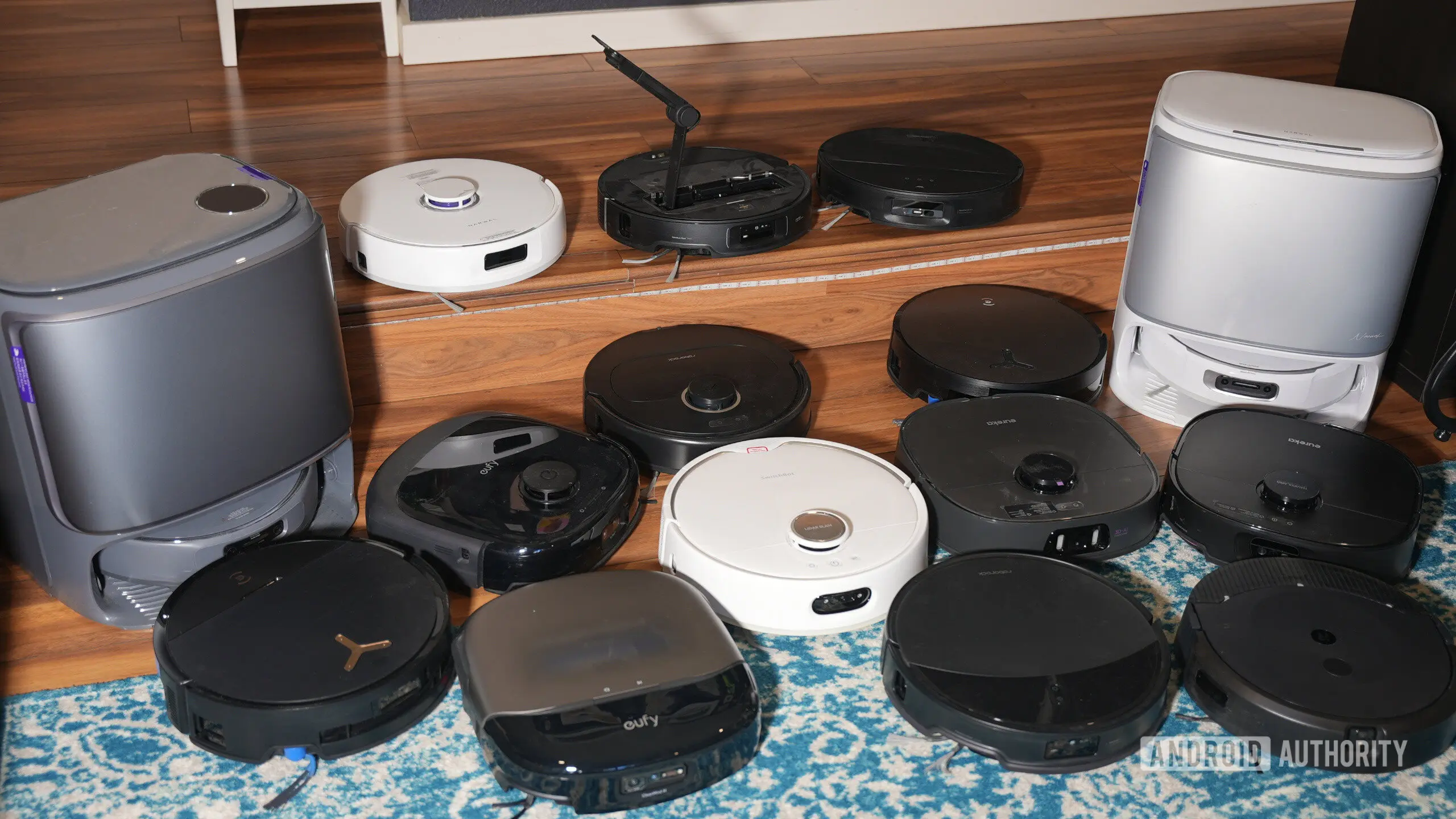
The Federal Communications Commission (FCC) has expanded its regulatory crackdown on foreign-made technology, this time targeting what it calls 'advanced robotic devices.' Initially announced with a focus on humanoid and quadruped robots—essentially any machine with legs—the agency has now confirmed that the ban extends to a far more common household item: the robotic vacuum cleaner. This move has sent ripples through the smart home industry, raising questions about the future of automated cleaning in American homes.
Background of the FCC Ban
The FCC's latest action is part of a broader push by the current administration to limit the influence of foreign technology, particularly from China, in sensitive sectors. Earlier this year, the agency banned the approval of new equipment from certain Chinese manufacturers over national security concerns, citing potential espionage and data breaches. The new rule, announced on July 28, 2026, specifically targets 'advanced robotic devices' that include walking robots and power inverters. However, in a statement to The Verge, an FCC spokesperson clarified that the definition encompasses any robot equipped with sensors, cameras, or internet connectivity—qualities that describe modern robotic vacuum cleaners.
Why Robot Vacuums Are Considered 'Advanced'
Modern robotic vacuums are far more than simple floor cleaners. They incorporate LiDAR or camera-based navigation, onboard microphones, Wi-Fi connectivity, and often cloud-based AI for mapping and scheduling. These features allow them to move autonomously through a home, collecting data about the layout, objects, and even the occupants. Such capabilities, the FCC argues, make them potential vectors for foreign surveillance or hacking if manufactured by companies with ties to adversarial governments.
This is not a hypothetical concern. In 2024, security researchers demonstrated that hackers could take control of ECOVACS robotic vacuums, accessing their cameras and microphones to spy on homeowners. Similarly, a 2025 report revealed critical security flaws in vacuums sold under the DJI brand—a company already embroiled in drone-related bans. These incidents highlight how a device designed for convenience could become a tool for intrusion, especially if compromised en masse.
Impact on Current and Future Robot Vacuums
The FCC has stressed that the ban applies only to new devices seeking certification after the rule's effective date. Already-sold or approved models remain unaffected, meaning millions of Roombas, Roborocks, and other vacuums currently in US homes will continue to operate. However, any new model that has not yet received FCC approval will be subject to a rigorous review process. If the manufacturer is based in a covered foreign country—China is the primary target—the device may be denied certification altogether.
This presents a dilemma for consumers and retailers. Popular brands like Roborock, Dreame, and Xiaomi dominate the US smart vacuum market with feature-rich, competitively priced models. If future iterations cannot be sold in the US, consumers may face limited choices or higher prices as domestic alternatives struggle to scale. Roborock, based in Beijing, has already been asked for comment but has not yet responded.
The US Market's Dependence on Foreign Brands
According to market research, Chinese brands account for roughly 40% of robotic vacuum sales in the United States, with Roborock alone holding a 15% market share. The next largest competitors, iRobot (Roomba) and Samsung, are US- and South Korea-based respectively, but they also rely on components sourced from China. The ban could disrupt supply chains and force these companies to redesign products or find alternative component suppliers—a costly and time-consuming process.
Historically, similar FCC actions have targeted telecommunications equipment like Huawei routers and DJI drones, leading to market fragmentation and higher costs. The robot vacuum sector may face the same fate. Some experts predict that the ban could accelerate innovation in North American and European robotics startups, but that shift would take years to materialize.
Security vs. Convenience: The Regulatory Tightrope
Balancing national security with consumer convenience is a delicate task. The FCC's position is that even mundane devices like vacuum cleaners can pose a risk when they are always connected, mobile, and equipped with advanced sensors. In a worst-case scenario, a botnet of compromised vacuums could be used for reconnaissance or disrupt smart home systems.
However, critics argue that the ban is overly broad and could harm US consumers more than it protects them. The security vulnerabilities cited are largely theoretical or have been patched through firmware updates. Moreover, many Chinese manufacturers have shown willingness to comply with US standards—for instance, offering local data storage and regular security audits. The FCC has not provided a clear pathway for exemption, leaving companies in limbo.
Potential Workarounds and New Standards
In response, some industry analysts suggest that Chinese robot vacuum makers could shift production to third countries like Vietnam or India to avoid the ban. But such relocations require significant investment and time. Another possibility is the formation of joint ventures with US firms that would handle the certification process. However, the current political climate may discourage such partnerships.
The FCC has also hinted at developing a 'white list' of approved foreign manufacturers, but no timeline has been announced. In the meantime, consumers eager for the latest robot vacuum technology may need to wait months or years for clarity. The ban serves as a reminder that the lines between national security and everyday consumer goods are increasingly blurred in the age of the Internet of Things (IoT).
As the situation evolves, it is likely that more devices will face scrutiny. Smart home hubs, security cameras, and even connected doorbells share many of the same risk factors. The FCC's move against robot vacuums could be a precursor to even broader restrictions, reshaping the entire smart home market. For now, the immediate impact is on future product releases, while existing users can continue to vacuum with confidence—though perhaps with an added layer of caution about their connected devices.
Source: Android Authority News