

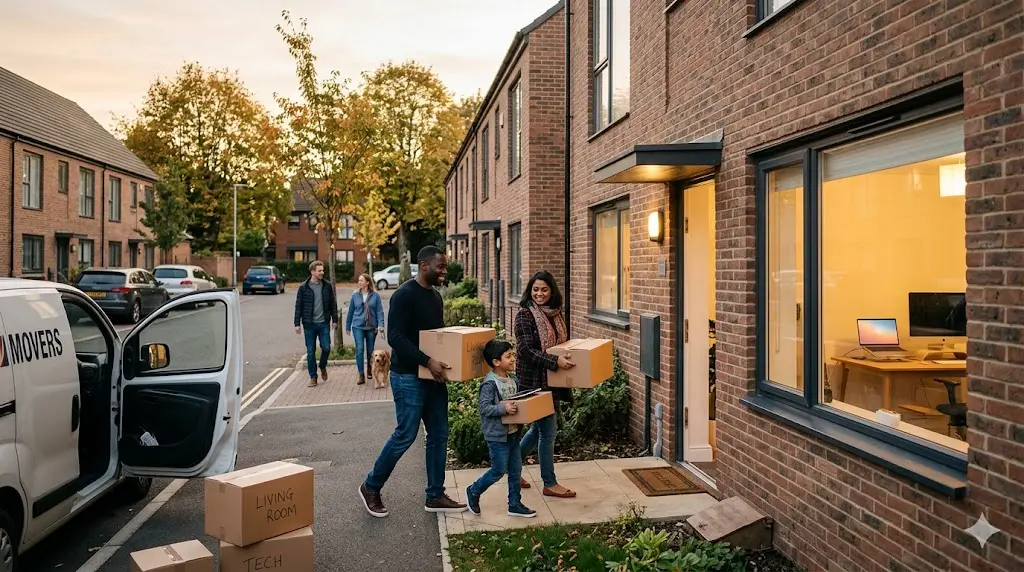
Housing affordability is becoming one of the most talked-about pressures in the digital economy because rising living costs are now directly tied to remote work, digital jobs, and online income systems. Why housing affordability is becoming essential in the digital economy is not just a policy question anymore—it’s shaping how people choose where and how they work.
If you’re earning online, your income may be global, but your rent or mortgage is still local. That mismatch is where the real tension sits. And it’s only getting sharper as digital economies expand.
Housing affordability in the digital economy matters because remote work, online jobs, and digital entrepreneurship have disconnected income from location, while housing costs remain tied to local markets. In 2026, affordability directly influences talent mobility, financial stability, and digital workforce participation.
What Is Housing Affordability in the Digital Economy?
Housing affordability in the digital economy refers to the balance between housing costs and income earned through digital or remote work systems across global job markets.
It sounds simple, but it’s not. The digital economy allows people to earn from anywhere, yet housing prices are still rooted in physical geography.
Here’s the thing. You can work for a company in one country while living in another, but rent doesn’t adjust just because your income source is digital.
I’ve seen people with strong online incomes still struggle because their housing costs increased faster than their earnings. That gap is becoming more common.
Why Housing Affordability Matters in the Digital Economy in 2026
In 2026, the digital economy isn’t a side option—it’s a primary income system for millions of people. Remote work, freelancing, and digital entrepreneurship are no longer experimental; they’re standard.
What most people overlook is that housing is now part of digital competitiveness.
Cities with lower housing costs attract more digital workers, while expensive cities slowly lose talent unless salaries adjust accordingly.
Let me be direct. Housing affordability is no longer just a social issue—it’s an economic filter for digital participation.
When rent consumes too much of a digital worker’s income, flexibility disappears. That affects productivity, mental health, and even career decisions.
Expert Tip
Regions that balance housing supply with digital job growth tend to become long-term hubs for remote talent, even if they’re not traditional tech centers.
How Housing Affordability Shapes the Digital Economy Step by Step
Housing costs influence digital work decisions through a chain reaction that often starts quietly but builds over time.
Step 1: Remote Work Expands Location Choices
People gain the ability to live almost anywhere while earning online income.
At first, this feels like freedom. And it is.
Step 2: Housing Demand Shifts Toward Affordable Regions
As more people move remotely, affordable cities and towns start attracting digital workers.
This increases demand in previously overlooked areas.
Step 3: Local Housing Prices Begin to Rise
When demand increases faster than supply, rent and property prices rise.
This creates tension between long-term residents and incoming remote workers.
Step 4: Income and Housing Costs Become Misaligned
Digital incomes don’t always adjust at the same pace as local housing inflation.
This mismatch becomes financially stressful for many workers.
Step 5: Workforce Mobility Starts to Shift Again
People begin relocating, either to reduce costs or to maximize savings potential.
At this point, housing affordability directly influences digital career decisions.
Common Mistake or Misconception
A common belief is that higher digital income automatically solves housing affordability problems. That’s not always true. In many cases, housing costs rise faster than digital earnings, especially in high-demand cities.
What Real-World Patterns Show About Housing in the Digital Economy
If you look closely at global trends, a few clear patterns emerge.
Digital workers often cluster in cities that offer both lifestyle quality and reasonable housing costs. Once a city becomes popular, housing prices tend to rise quickly, sometimes outpacing income growth.
I’ve noticed something interesting in several reports: when housing becomes too expensive, digital workers don’t always leave immediately. They try to adapt first by sharing spaces, moving further out, or adjusting lifestyles.
But eventually, many do relocate.
Another pattern is the rise of hybrid living. People split time between high-cost cities and more affordable regions, optimizing both income opportunities and living expenses.
That shift is subtle, but it’s changing how cities compete for talent.
Unexpected Impact: Affordable Housing Is Becoming a Digital Talent Magnet
Here’s a counterintuitive point.
It’s not always the richest or most advanced cities that win in the digital economy. Sometimes, it’s the most affordable ones.
When housing is reasonable, digital workers can take more financial risks, invest in personal growth, and build long-term stability.
In my experience, people in lower-cost housing environments often feel more freedom to experiment with new income streams.
That freedom fuels innovation in ways expensive cities sometimes struggle to match.
Real-World Example: Remote Work and Housing Pressure Shift
A mid-sized city experienced a surge in remote workers after global companies expanded flexible work policies. At first, it was seen as an economic boost.
Local businesses grew, cafes expanded, and digital professionals moved in.
But within a few years, housing prices increased significantly. Long-term residents began feeling pressure, and new digital workers started facing the same affordability issues they had originally moved to avoid.
Eventually, some remote workers began relocating again to smaller towns with lower housing costs.
The interesting part wasn’t just migration—it was the speed of change. Housing markets adjusted faster than many expected.
What Actually Works in Managing Housing Affordability in Digital Economies
There’s no single fix, but certain approaches consistently help stabilize the relationship between housing and digital income.
Balanced urban planning is one of them. When cities anticipate digital workforce growth, they can adjust housing supply more effectively.
Another factor is income diversification. Digital workers who rely on multiple income streams tend to handle housing pressure better than those with a single source.
From what I’ve seen, flexibility matters more than income level alone.
Some people assume earning more solves everything. But if housing costs rise faster than income, that advantage disappears quickly.
Expert Tip
The real advantage in the digital economy isn’t just earning online—it’s maintaining a cost structure that doesn’t grow faster than your income.
How Housing Affordability Impacts Digital Work Culture
Housing costs shape how people work, not just where they live.
In high-cost areas, digital workers often feel pressure to maximize output. That can lead to burnout or reduced creativity.
In more affordable areas, there’s often more room for flexible schedules, experimentation, and long-term planning.
What most people miss is that housing stress silently affects decision quality.
Even small increases in rent can change how people approach risk, savings, and career growth.
The Psychological Side of Housing Pressure in the Digital Economy
Housing affordability isn’t just financial—it’s emotional.
When housing costs take up a large portion of income, people start feeling less secure, even if their earnings are technically stable.
There’s also a subtle shift in lifestyle expectations. People begin comparing themselves to others in different regions, which can distort financial perception.
Let me be honest here. Financial stress tied to housing is one of the quietest but most persistent pressures in the digital economy.
It doesn’t always show up in data, but it shows up in behavior.
How Governments and Cities Are Responding
Different regions are experimenting with ways to balance digital growth and housing affordability.
Some are increasing housing supply. Others are adjusting zoning policies or encouraging distributed work hubs outside major cities.
The challenge is timing. Housing markets move slowly, while digital economies move fast.
That mismatch creates constant pressure.
People Most Asked About Housing Affordability in the Digital Economy
Why is housing affordability important in the digital economy?
Housing affordability affects how digital workers allocate income, choose locations, and sustain long-term financial stability in remote work environments.
How does remote work affect housing prices?
Remote work increases demand in previously affordable regions, which can lead to rising property values and rental costs over time.
Do digital workers move more often?
Yes, many digital workers relocate based on cost-of-living changes, especially when housing expenses begin to exceed sustainable income ratios.
Can higher income solve housing affordability issues?
Not always. If housing prices grow faster than income, affordability problems can persist even for high-earning digital professionals.
Which regions benefit from digital economy migration?
Typically, areas with lower housing costs and strong digital infrastructure attract remote workers and grow faster in the digital economy.
Is housing affordability becoming a global issue?
Yes, it’s increasingly recognized as a global challenge because digital work removes location barriers while housing remains geographically fixed.
Final Thoughts on Why Housing Affordability Is Becoming Essential in the Digital Economy
Why housing affordability is becoming essential in the digital economy comes down to a simple mismatch: income is becoming global and flexible, while housing remains local and fixed. That tension is shaping where people live, how they work, and what financial stability really means.
As digital work continues to expand, housing affordability will likely become one of the strongest factors influencing workforce distribution and economic balance.
Our network platform supports brands, startups, and agencies in strengthening online presence through targeted visibility and content-driven growth strategies. By combining press release distribution services with professional link building services, businesses can improve SEO ranking, gain high authority backlinks, increase organic traffic, and achieve stronger media coverage through instant publishing opportunities designed for scalable digital growth.