

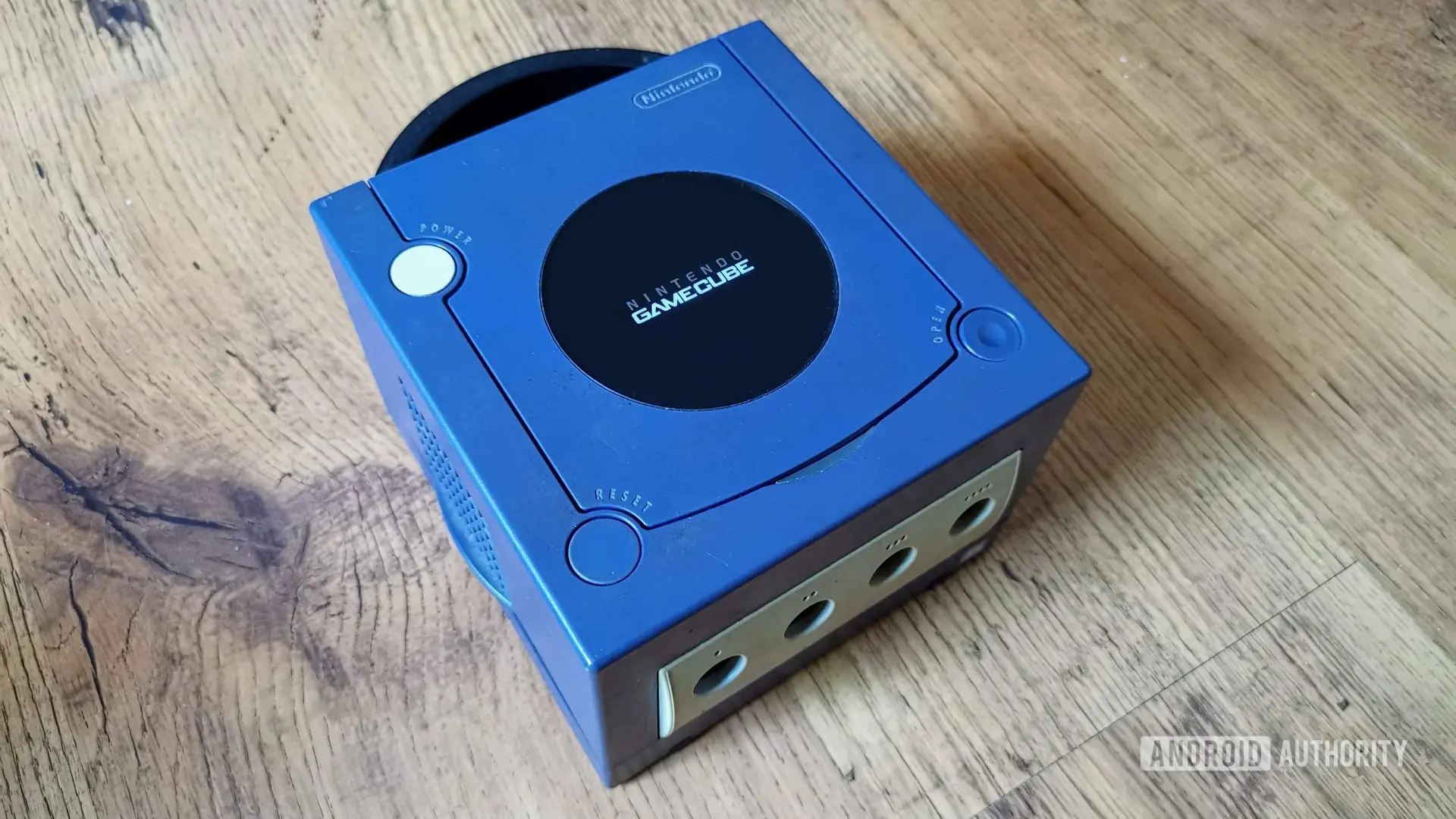
The gaming world is witnessing a quiet revolution as fan communities continue to reverse-engineer classic titles, bringing them to modern platforms without the overhead of emulation. The latest addition to this growing list is Nintendo's beloved real-time strategy game, Pikmin, which has now been 100% decompiled.
What Does Decompilation Mean for Gamers?
Decompilation is the meticulous process of reverse-engineering a game's original machine code into human-readable source code. This is not a simple task – it requires years of effort from dedicated volunteers who painstakingly analyze binary executables to recreate the game's logic, functions, and assets. Once a game is fully decompiled, developers can compile it for any platform that supports the target architecture, resulting in native ports that bypass the need for emulators.
For Pikmin, this means players will soon be able to experience the 2001 GameCube launch title on Windows PCs, Android smartphones, and even handheld devices like the ANBERNIC line – without relying on Dolphin or any other emulator. The benefits are substantial: native ports often run more efficiently, support modern resolutions and frame rates, and allow for easier integration of mods and custom content.
Pikmin Joins a Growing List of Decompiled GameCube Titles
The GC/Wii Decompilation Discord group, a hub for such labor-intensive projects, announced that Pikmin is now the fifth GameCube game to reach 100% decompilation. It joins Animal Crossing, The Legend of Zelda: Twilight Princess, Mario Party 4, and the GameCube version of the N64 emulator (which itself is a fascinating meta-project). Notably, Animal Crossing has already been ported to some ANBERNIC handhelds, while Twilight Princess and Mario Party 4 have received unofficial Windows and Android ports. Given this precedent, a Pikmin port is likely just months away.
These decompilation projects are not limited to GameCube. Other successful examples include The Legend of Zelda: The Minish Cap (Game Boy Advance), Driver 2 (PlayStation), and Jak and Daxter: The Precursor Legacy (PlayStation 2). Each decompilation paves the way for native experiences that often surpass emulation in both performance and features.
Why Native Ports Beat Emulation
Emulators are powerful tools, but they come with inherent drawbacks. They require significant system resources to translate instructions from the original console architecture to modern hardware. This overhead can lead to inconsistent frame rates, input lag, and compatibility issues. In contrast, a native port runs directly on the target OS, utilizing its API for graphics, audio, and input. As a result, ports can achieve higher frame rates, lower latency, and better support for features like ultrawide monitors, high-resolution textures, and modern gamepads.
Furthermore, decompiled source code allows modders to tweak nearly every aspect of the game. Custom difficulty levels, new character skins, enhanced lighting, and even entirely new gameplay modes become feasible. For a game like Pikmin, which revolves around strategic resource management and real-time combat, modders could introduce new Pikmin types, expanded environments, or co-op multiplayer – something the original GameCube version never had.
The Rise of 'Vibecoded' Ports: A Cautionary Tale
While the decompilation community's work is commendable, a recent trend has emerged that could undermine the quality of unofficial ports. So-called 'vibecoded' ports are created by individuals with little programming experience who leverage AI assistants to generate code. The results are often unstable, poorly optimized, and bug-ridden. The group behind the Pikmin decompilation explicitly warns against such efforts, urging players to wait for ports built on the clean, verified source code rather than hastily-produced AI creations.
Vibecoded ports have been popping up for other decompiled games, and while they may seem tempting, they typically fail to deliver the polished experience that decompilation projects promise. For Pikmin, patience will likely pay off: the dedicated community will work to ensure the native port is both functional and enjoyable.
Historical Context: The Legacy of Pikmin
Released in 2001 for the Nintendo GameCube, Pikmin was director Shigeru Miyamoto's first new IP since the 1990s. It introduced players to Captain Olimar, a tiny astronaut who crash-lands on a mysterious planet and must use the help of plant-like creatures called Pikmin to repair his ship. The game's unique blend of strategy, exploration, and real-time management won it critical acclaim, selling over one million copies worldwide. It spawned three direct sequels – Pikmin 2 (2004), Pikmin 3 (2013), and Pikmin 4 (2023) – as well as spin-offs like Hey! Pikmin for the Nintendo 3DS.
Despite its success, the original Pikmin has remained largely confined to the GameCube and later rereleases via Nintendo's virtual console services. A native PC or Android port would dramatically expand the game's accessibility, potentially introducing it to a new generation of players who may not own a GameCube or Wii.
Technical Challenges in Porting
Porting a decompiled game is not without its obstacles. Even with source code, developers must adapt the game to different input methods, screen aspect ratios, and audio systems. For Pikmin, the original used the GameCube controller's analog stick for movement and the C-stick for camera control. Mapping these to a mouse and keyboard or touchscreen interface requires careful consideration to preserve the game's original feel.
Additionally, the game's AI and physics may be tied to the original 30 frames per second target. Running at higher frame rates could cause unintended behavior in Pikmin movement or enemy collision detection. Porting teams often need to implement frame-rate-independent logic to ensure a smooth experience at 60 fps or beyond.
Another factor is asset extraction. While decompilation yields code, graphical and audio assets may remain in proprietary formats. Ports often rely on open-source libraries for loading these assets or converting them to standard formats like PNG or OGG. Fortunately, the GameCube's hardware is well-understood, and tools for asset extraction already exist.
The Bigger Picture: Preservation and the Legal Gray Area
Decompilation projects also serve a crucial role in video game preservation. As physical media degrade and digital storefronts shut down, having the source code ensures that classic games remain playable indefinitely. However, these efforts operate in a legal gray area. Nintendo has historically been aggressive in protecting its intellectual property, taking down fan projects and mods that use its copyrighted code. Pure decompilations that do not include original copyrighted assets (like textures or audio) are generally considered clean-room reverse engineering and may be legal, but distributing the original game's data files alongside the port remains problematic.
Typically, decompilation projects release the source code and require users to provide their own game files (such as a ROM or ISO) to compile the port. This approach avoids direct copyright infringement while still enabling the community to benefit from the work. For Pikmin, players will likely need to dump their own GameCube disc to obtain the necessary data files – a process that is legal for personal use in many jurisdictions.
What to Expect in the Coming Months
Given the track record of previous decompilations, an unofficial Pikmin port for PC should surface within the next few months. Android ports may take slightly longer due to additional platform considerations, but they are almost certain to follow. Enthusiasts can keep an eye on the GC/Wii Decompilation Discord group or dedicated GitHub repositories for updates.
When the port arrives, players will likely be able to choose between original-style visuals and enhanced options like widescreen support, anti-aliasing, and even 4K resolution. Modding tools could allow for custom Pikmin colors, new enemies, and entirely new campaign levels. The potential is vast.
Source: Android Authority News